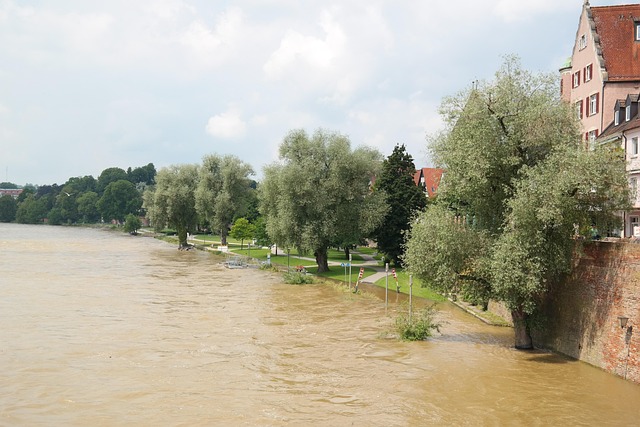
Water damage cleanup in Houston requires a nuanced approach due to environmental challenges like storms and rising sea levels. Property Restoration of the Capital Region specializes in natural methods, emphasizing quick action, eco-friendly products, and advanced technologies. Their process includes assessing damage, extracting water with specialized equipment, controlling humidity, and disinfecting for mold prevention. They've successfully restored properties using top-down drying techniques and organic disinfectants, minimizing environmental impact and reducing reconstruction needs. Their commitment to natural water damage cleanup naturally is crucial for resilient, sustainable Houston homes.
Houston's frequent encounters with flooding underscore the critical need for expert water extraction services. Water damage cleanup is not merely a task but a complex process requiring specialized knowledge to mitigate risks and restore properties effectively. Traditional methods often rely on harsh chemicals, but we believe in a different approach—one that prioritizes natural solutions for water damage cleanup. Our team of seasoned professionals offers cutting-edge techniques, ensuring minimal environmental impact while maximizing property preservation. By harnessing the power of nature, we provide Houston residents with reliable, safe, and efficient water extraction services.
- Understanding Water Damage Cleanup in Houston
- The Natural Approach to Water Extraction Methods
- Professional Tools for Efficient Water Removal
- Step-by-Step Guide: Water Damage Restoration Process
- Eco-Friendly Practices for Safe Water Cleanup
Understanding Water Damage Cleanup in Houston
Water damage cleanup in Houston, especially following catastrophic flooding events, requires a meticulous approach tailored to this unique landscape. The city's history of severe storms and rising sea levels contributes to increased vulnerability to water intrusion, making swift and effective cleaning crucial. Property Restoration of the Capital Region offers expert guidance on navigating these challenges, emphasizing natural solutions whenever possible for healthier, more sustainable homes.
The initial step involves assessing the extent of water damage, from surface moisture to saturated structures. Local conditions can vary widely; dampness solutions in Houston homes range from dehumidifying affected areas to complete gut rehabs after severe floods. Mold remediation after floods is a critical concern, as stagnant water fosters mold growth. Our team carefully assesses and mitigates these risks, implementing advanced drying techniques to prevent long-term issues. Property owners should remember that quick action is key; the faster water damage cleanup is initiated, the lower the risk of structural damage and health hazards associated with mold.
Beyond traditional methods, our experts advocate for natural water damage cleanup strategies. This includes using dehumidifiers with HEPA filters, promoting air circulation with fans, and employing eco-friendly cleaning products to minimize residual moisture and chemical exposure. For instance, in cases where catastrophic flooding assistance is required, we've successfully implemented top-down drying techniques, combining powerful dehumidifiers with strategic ventilation to expedite the recovery process while preserving valuable possessions and reducing environmental impact.
The Natural Approach to Water Extraction Methods
In the world of water damage cleanup, a natural approach to extraction methods is gaining prominence for its effectiveness and environmental friendliness. Property Restoration of the Capital Region specializes in this area, providing a unique service that not only restores San Antonio properties but also ensures dampness removal in Dallas homes with minimal impact on the environment. Unlike traditional methods that rely heavily on chemicals and mechanical equipment, our strategy focuses on harnessing the power of nature to dry out your Houston home fast—often within 1-3 days.
The core of our natural water extraction process involves a multi-step approach that includes using advanced humidity control techniques and eco-friendly cleaning solutions. We begin by assessing the damage and identifying the sources of moisture. Next, specialized equipment is employed to extract standing water while minimizing disruption to personal belongings and structural integrity. After drying, our experts apply organic disinfectants and deodorizers to eliminate any residual odors and ensure a healthy indoor environment. This method not only restores your property but also prevents mold growth, a common issue with conventional quick-fix solutions.
For instance, consider a recent project where a Houston home experienced severe water damage from a burst pipe. Traditional methods would have left behind significant moisture, increasing the risk of mold and structural damage. However, by employing our natural approach, we were able to dry out the home swiftly, reducing the need for extensive reconstruction. This case study exemplifies how Property Restoration of the Capital Region prioritizes both effective water damage cleanup naturally and the long-term health and integrity of your property—a key distinction in a bustling city like Houston where quick but thorough restoration is essential.
Professional Tools for Efficient Water Removal
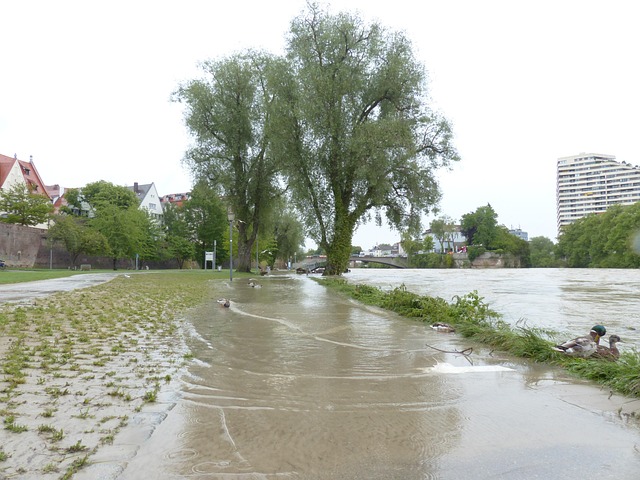
Professional water extraction in Houston requires specialized tools designed for efficient water removal, ensuring a swift and effective flooded home recovery guide. In situations of catastrophic flooding assistance, quick action is crucial to mitigating damage and promoting successful property restoration in Dallas or the Capital Region. Property Restoration of the Capital Region, for instance, relies on advanced equipment like high-flow pumps, industrial vacs, and specialized dehumidifiers to address water damage cleanup naturally.
These tools are strategically designed to handle various water removal scenarios, from shallow puddles to deep floodwaters. High-flow pumps, for example, can swiftly extract large volumes of water from flooded areas, while industrial vacs effectively remove excess moisture from hard-to-reach corners and porous materials. Dehumidifiers play a vital role in the post-extraction phase, reducing humidity levels to prevent mold growth and further damage during restoration efforts.
Moreover, professional water extraction teams often employ moisture meters and thermal imaging cameras as essential tools for assessing water damage and identifying hidden moisture pockets. These advanced technologies ensure comprehensive drying, enhancing the overall effectiveness of water removal processes and contributing to a successful restored property—whether it's in Dallas or across the region.
Step-by-Step Guide: Water Damage Restoration Process

Water damage cleanup is a delicate process that requires both skill and knowledge to ensure your Houston property is restored to its pre-loss condition. This step-by-step guide provides an in-depth look at the water damage restoration process, offering practical insights for homeowners and highlighting the expertise of local water removal experts like those in Property Restoration of the Capital Region and the dedicated team behind water mitigation services in Houston TX.
The initial assessment is crucial, involving a thorough inspection of the affected areas to identify the extent of the water damage. This includes examining walls, ceilings, flooring, and personal belongings for signs of moisture intrusion. Water removal experts Austin will use advanced tools like hygrometers and moisture meters to pinpoint problematic zones. Once the scope is established, the restoration process begins with immediate action to prevent further deterioration.
Next, the local team employs specialized equipment for water extraction. This involves using powerful pumps and vacuums to remove standing water from flooded areas. It's important to note that natural drying methods can only be effective after primary water removal; else, it may lead to mold growth and structural damage. After extraction, the real work starts: dehumidifying the property to mitigate any remaining moisture. This process helps prevent wood warping, mold development, and musty odors, ensuring a healthier environment for residents.
The final stages of water damage cleanup include water damage repair, which can range from minor cosmetic fixes to extensive reconstruction. Property Restoration of the Capital Region's local team specializes in both, utilizing advanced techniques and high-quality materials. This may involve replacing drywall, repairing or substituting flooring, and restoring fixtures. Throughout the process, ongoing monitoring ensures that humidity levels are maintained within safe ranges until the property is fully dried. Only then can the restoration be deemed complete, leaving behind a space that appears and feels as good as new.
Eco-Friendly Practices for Safe Water Cleanup

Houston, a bustling metropolis known for its vibrant culture, has also faced significant challenges due to frequent flooding events, particularly from storm surges and heavy rainfall. In these situations, professional water extraction becomes an indispensable service for homeowners and businesses alike. Among the various methods employed, eco-friendly practices are gaining prominence as both effective and safe solutions for water damage cleanup. This approach not only minimizes environmental impact but also ensures a healthier recovery process.
One of the primary challenges in floodwater removal is the potential presence of contaminants, including toxic chemicals, heavy metals, and harmful bacteria. Traditional extraction methods may exacerbate these issues by dispersing pollutants further. However, green practices introduce innovative techniques such as using bio-based enzymes to break down organic matter or employing advanced filtration systems that capture a wide range of pollutants with minimal environmental disruption. For instance, some local disaster recovery teams in Houston, like those offering Austin flood damage expertise, have adopted these eco-friendly methods, leading to successful and sustainable water damage cleanup projects.
Affordable basement flooding solutions don't have to come at the cost of environmental health. Property Restoration of the Capital Region, a local expert in disaster recovery, emphasizes the importance of natural cleaning agents and efficient, low-impact extraction techniques. By prioritizing these practices, they ensure that homes and businesses can recover from water damage while minimizing their ecological footprint. This holistic approach is especially crucial for vulnerable communities, where access to affordable and safe water cleanup services is vital for rebuilding resilience against future disasters. Data suggests that adopting green methods can reduce environmental remediation costs by up to 30%, making it a cost-effective choice for both property owners and local disaster management teams.
In conclusion, this article has provided an in-depth guide to professional water extraction in Houston, covering critical aspects of water damage cleanup. Key insights include understanding the unique challenges of Houston's environment, adopting natural approaches for safer cleanup, utilizing advanced tools for efficient water removal, and following a meticulous step-by-step restoration process. Additionally, the importance of eco-friendly practices has been emphasized to ensure a sustainable and healthy recovery. By implementing these strategies, homeowners and professionals can effectively mitigate water damage, restore properties naturally, and protect public health. This comprehensive resource equips readers with the knowledge to navigate water damage cleanup in Houston with confidence and authority.