
Water damage from leaks or indoor flooding is a common—yet devastating—homeowner's nightmare. In the Capital Region, including Albany and Latham, timely, professional water damage cleanup is important to minimize structural damage and prevent mold growth. According to the U.S. Geological Survey, water damage is one of the most frequent causes of home insurance claims, making it vital to understand the process of cleanup and restoration.
The challenge lies in the complex interplay of water extraction, drying, and thorough restoration assessment. Property Restoration of the Capital Region (prcapreg.com) offers expert guidance in navigating this process. Their services cater to both residential and commercial properties, ensuring thorough documentation and efficient cleanup for water damage incidents in the Albany NY area and beyond. By understanding the science of water and the expertise involved in its removal, property owners can make informed decisions and protect their investments.
- Assessing Water Damage in Albany Homes
- The Extraction Process: Getting Water Out
- Drying and Restoration: A Timely Approach
- Documenting the Cleanup for Insurance Claims
Assessing Water Damage in Albany Homes
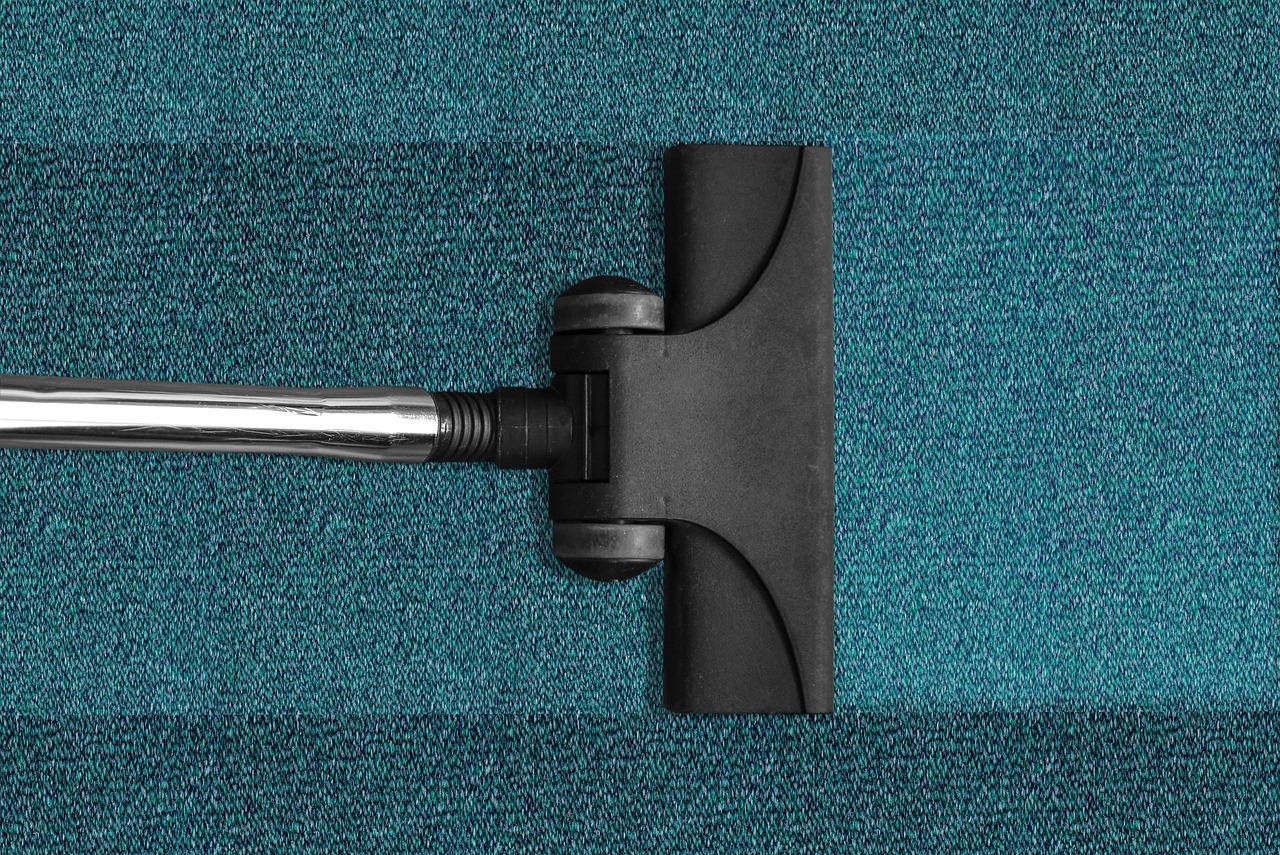
In Albany homes, assessing water damage after a leak or indoor flooding is a critical first step in the cleanup and restoration process. The extent of the damage often depends on several factors, including the water source, duration of exposure, and the materials affected. Property owners in the Capital Region of New York can expect a detailed inspection from professionals who specialize in water damage cleanup Albany NY. This involves not just visually assessing the damage, but also documenting the affected areas and the type and amount of water involved.
a leak from a burst pipe might leave visible water stains on walls and ceilings, while indoor flooding from a heavy rainstorm could saturate carpeting and padding, making them a health hazard and a potential breeding ground for mold. The later case necessitates a more comprehensive approach, involving the extraction of water, drying of materials, and a thorough assessment of the structural integrity. Property Restoration of the Capital Region, for example, documents the process meticulously, noting the level of water intrusion, the presence of mold, and the condition of the building's framework. This detailed documentation is important for insurance claims and for understanding the full scope of restoration work needed.
The relationship between extraction, drying, and restoration assessment is a delicate balance. Effective extraction, often performed by emergency services or local restoration companies, removes standing water to prevent further damage. Once extraction is complete, professional drying equipment, such as air movers and dehumidifiers, come into play. These tools speed up the drying process, which is essential to mitigate mold growth and reduce the risk of structural decay. However, without a thorough restoration assessment, the process could be incomplete or ineffective, leading to persistent water damage and the associated health risks.
In the Capital Region, where weather patterns can vary greatly, understanding the specific needs of your property is key. Property owners should expect a detailed report from their restoration service, outlining the steps taken during extraction and drying, as well as the materials assessed and the restoration methods employed. This transparency ensures that the restoration process is not only effective but also aligns with the specific needs and challenges of Albany homes, whether dealing with a minor leak or extensive indoor flooding.
The Extraction Process: Getting Water Out
Water damage cleanup in Albany NY and the Capital Region involves a precise extraction process to mitigate the impact of leaks or indoor flooding. The first step in this process is a thorough water cleanup assessment, where professionals from Capital Region-based Property Restoration (prcapreg.com) determine the extent of the damage. They examine the affected areas, consider the water source, and assess the type and amount of water present—critical factors that influence the cleanup strategy. Black water, often from sewer backups, requires different treatment than clean water from a burst pipe.
Once the assessment is complete, trained technicians employ advanced equipment to extract the water. This step is important to prevent further damage from moisture. High-efficiency pumps and vacuums are used to remove standing water, with special attention given to hard-to-reach areas and porous materials like wood and drywall. According to the US EPA, rapid extraction is key to reducing drying time and minimizing the growth of mold and bacteria, common issues in water-damaged properties. After the water is pumped out, the area is thoroughly dried to prevent structural issues and promote the healing of affected materials.
The extraction process is a critical phase in water damage cleanup Capital Region NY, ensuring that properties are restored to their pre-damaged state. Property Restoration's team understands that every situation is unique, and they tailor their approach accordingly, using industry-leading methods and equipment. Their expertise in this area ensures that the extraction is efficient and effective, setting the stage for the successful restoration of homes and businesses in the Capital Region.
Drying and Restoration: A Timely Approach

Water damage cleanup in Albany NY and the surrounding Capital Region requires a precise, strategic approach to restoration, especially after leaks or flooding. Once the immediate extraction and cleanup are complete, the process shifts to drying and restoration, which can be complex. This critical phase involves more than just drying out the space; it's about restoring the property to its pre-damaged condition.
The goal is to mitigate mold and mildew growth, preserve structural integrity, and ensure the safety and comfort of future inhabitants. Professional restoration services, like those offered by Property Restoration of the Capital Region, understand this. They don't just throw fans and dehumidifiers in the room and call it a day. The process involves a multi-step assessment, targeted drying techniques, and meticulous restoration work.
after a leak in a basement, water damage cleanup Capital Region NY experts will first assess the extent of the damage, identifying affected materials like drywall, insulation, and flooring. Then, they employ specialized equipment, like air movers and dehumidifiers, to rapidly dry the area. This prevents mold growth and reduces the risk of secondary damage. Once drying is complete, the restoration begins in earnest: repairing or replacing damaged items, sanitizing surfaces, and ensuring the property meets health and safety standards.
Remember, timing is important. The faster you address water damage cleanup after a leak, the less extensive the restoration work will be. According to the U.S. Environmental Protection Agency (EPA), visible mold growth can begin within 24 to 48 hours of water intrusion, emphasizing the need for prompt action. Don't delay; contact a reputable water damage cleanup service in your area, like Property Restoration of the Capital Region, to get the job done right.
Documenting the Cleanup for Insurance Claims
Water damage cleanup in Albany NY and the broader Capital Region involves meticulous documentation to support insurance claims. After a leak or indoor flooding event, the initial step is thorough assessment and documentation by a professional restoration service. This process begins with a detailed inspection to identify the source, extent, and type of water damage. Property Restoration of the Capital Region (prcapreg.com) will note the presence of clear water, grey water, or black water, each with varying levels of contamination.
Documentation is important as it forms the backbone of any insurance claim. The restoration team records all findings, including water levels, affected areas, and structural integrity. They may take photographs, conduct moisture readings, and create a detailed inventory of damaged items. These records are not only essential for the insurance company but also serve as a roadmap for the restoration process, ensuring no detail is overlooked. According to a 2020 study by the Insurance Information Institute, proper documentation can significantly expedite claim processing, leading to faster settlements.
Once the assessment is complete, the cleanup process begins. Extraction and drying services are implemented, targeting the removal of moisture and the prevention of secondary damage. The restoration experts employ advanced equipment, such as dehumidifiers and water extractors, to ensure efficient drying. This step is critical to mitigate mold growth and further structural deterioration. After extraction and drying, the service provider conducts a final inspection and provides a comprehensive report, summarizing the cleanup efforts and costs. This report becomes an important reference for the insurance company during the claim review process, ensuring that the cleanup was conducted to industry standards.
It's important for property owners to maintain open communication with their restoration company and insurance provider throughout this process. Staying engaged allows for quicker adjustments if necessary and ensures the documentation aligns with the insurance company's expectations. Remember, the goal is to restore the property to its pre-damage condition, and proper documentation is the cornerstone of achieving that outcome.
Frequently Asked Questions About Water Damage Cleanup in the Capital Region
What happens during the initial water damage cleanup phase?
After a leak or flooding incident, the first step is immediate containment to prevent further damage. This involves turning off the water source if possible, using absorbent materials to soak up excess water, and setting up barriers to isolate the affected area. Property Restoration of the Capital Region (prcapreg.com) sends a team to assess the situation, documenting the water source, extent of damage, and any structural issues. This detailed documentation is important for insurance claims and future restoration planning.
How do you determine the best extraction and drying methods?
Our technicians use a combination of visual inspection and moisture meters to gauge the level of water damage. They select extraction equipment based on the water source (e.g., a burst pipe versus storm flooding) and the type of surface affected. Hard surfaces like tile might require different equipment and drying techniques than carpeting. The goal is to remove as much water as possible, minimizing drying time and potential mold growth.
What is the relationship between extraction, drying, and restoration?
Extraction removes standing water, while drying ensures the remaining moisture is evaporated. Adequate drying is essential to prevent mold, mildew, and structural damage. Once dry, our team can begin the restoration process, which may involve rebuilding damaged areas, replacing contents, and deodorizing. We follow industry-standard guidelines for drying times and methods to ensure a complete and thorough restoration.
Do you offer 24/7 emergency response?
We understand the urgency of water damage situations. While our standard business hours are Monday-Friday, 8am-5pm, we strive to respond to emergency calls within 24 hours. Our team is equipped to handle urgent situations, providing immediate containment, extraction, and drying services to minimize disruption and damage.
How do I know if I can handle the cleanup myself or if I need a professional?
For minor leaks or surface water damage, DIY cleanup might be feasible. However, larger floods, hidden mold growth, or structural damage often require professional assistance. A qualified water damage restoration company like prcapreg.com has the specialized equipment, expertise, and experience to handle complex situations effectively.
Water damage cleanup in Albany NY and the broader Capital Region involves a meticulous process that goes beyond simple extraction. After assessing the extent of water intrusion, the first step is to remove the water responsibly using specialized equipment, minimizing further damage. This is where local experts, like those at Property Restoration of the Capital Region (prcapreg.com), come in, ensuring swift action. The key to successful restoration lies in prompt drying and a comprehensive assessment, which includes documenting every step for insurance claims. This meticulous approach, combining extraction, drying, and detailed record-keeping, is important for effective water damage cleanup in Albany NY homes, ensuring properties return to their pre-damaged condition.
Next steps for property owners include:
- Contacting a reputable water damage cleanup service, like those operating in the Capital Region.
- Understanding the importance of immediate action to mitigate losses.
- Expecting detailed documentation for insurance purposes.
By following these guidelines and partnering with experienced professionals, Albany NY residents can effectively handle the water damage cleanup process, ensuring a swift return to normalcy.
Water damage cleanup in Albany NY requires a strategic, multi-step process. It begins with a thorough assessment to determine water source, duration, and affected materials. This leads to extraction, drying, and restoration, with documentation at every step to support insurance claims. Timing is important, as prompt action minimizes damage and restoration costs. Communication between property owners, restoration experts, and insurance providers ensures a smooth, effective recovery process.