
In the Capital Region of New York, water damage cleanup is a critical service, often necessitated by leaks, indoor flooding, or other water intrusions. These incidents can cause significant property damage, affecting not just the affected areas but also the broader structure. Proper cleanup involves more than just removing water; it includes meticulous documentation and a nuanced understanding of extraction, drying, and restoration assessment. Property owners in Albany, Latham, and the surrounding areas face unique challenges when dealing with water damage, requiring expert intervention from specialized services.
companies like Property Restoration of the Capital Region (prcapreg.com) offer comprehensive solutions, ensuring not just the immediate removal of water but also the structural integrity and health of the property in the long term. The process involves careful assessment, advanced extraction techniques, and thorough drying to prevent mold growth and secondary damage. Understanding these steps is key to mitigating water damage and ensuring the restoration process is effective and efficient.
- Understanding Water Damage: Immediate Assessment in the Capital Region
- The Water Extraction Process: Protecting Your Property in Albany
- Drying and Restoration: A Comprehensive Approach to Recovery
- Documentation for Insurance Claims: Navigating the Process with PRCapReg
Understanding Water Damage: Immediate Assessment in the Capital Region
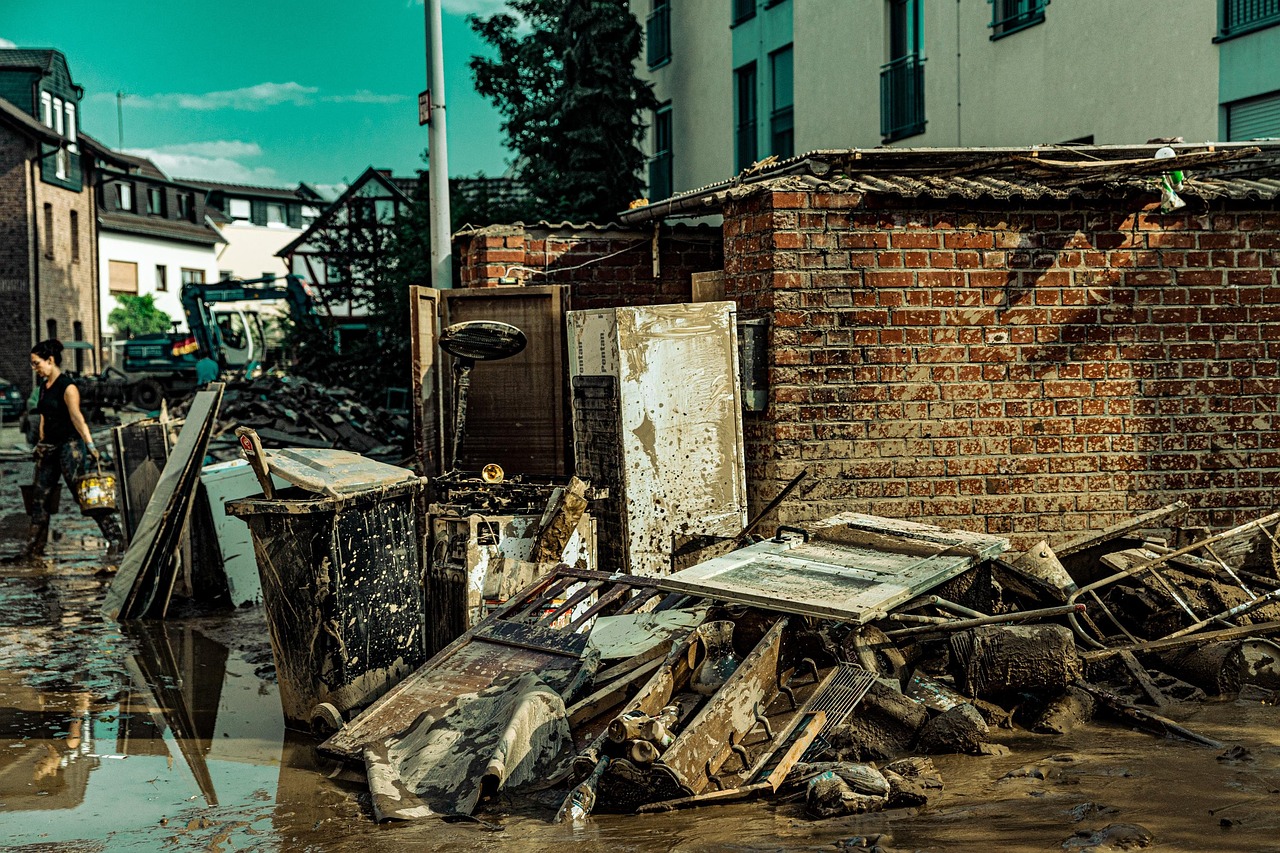
Water damage from leaks or flooding can significantly impact homes and businesses in the Capital Region. Immediate assessment is important to mitigate losses and prevent further damage. Property Restoration of the Capital Region (prcapreg.com) emphasizes the importance of a thorough evaluation, focusing on understanding the extent of water intrusion and the affected materials. This initial step sets the foundation for effective cleanup and restoration.
The cleanup process begins with extraction, where water is removed from affected areas using specialized equipment. In the Capital Region, where diverse climates and weather patterns can contribute to water damage, a rapid response is essential. According to the USGS, swift action within the first 24 to 48 hours can significantly limit the growth of mold and bacteria, reducing restoration costs. After extraction, drying methods come into play. This step is critical as moisture left behind can lead to structural issues and health hazards. Professional restoration services employ advanced drying techniques, ensuring that the affected spaces are restored to their pre-damaged condition.
Documentation matters in the cleanup process, especially when dealing with insurance claims. Property Restoration of the Capital Region recommends that homeowners and business owners document water damage with photographs and detailed records. This evidence is important for supporting insurance claims and demonstrating the extent of the damage. A recent study by the World Meteorological Organization highlighted the increasing frequency and intensity of flooding events, underscoring the importance of being prepared and having comprehensive documentation.
In the Capital Region, understanding local climate patterns and building codes is essential for effective water damage cleanup. Properties in areas prone to winter thawing and heavy rainfall may require additional protective measures. A qualified restoration expert can assess these factors, providing tailored solutions to meet the specific needs of each situation. This complete approach ensures that the cleanup and restoration process is efficient, comprehensive, and aligned with the unique challenges faced by Capital Region residents and businesses.
The Water Extraction Process: Protecting Your Property in Albany
In the event of water damage in Albany or the broader Capital Region, understanding the water extraction process is important for effective property restoration. Water damage cleanup Capital Region NY involves a systematic approach, especially after leaks or indoor flooding. The first step is a thorough water cleanup assessment Capital Region NY, where professionals determine the extent of the damage and identify the source. This assessment is vital, as it dictates the necessary actions and the speed of restoration.
The water extraction process itself involves specialized equipment, such as high-efficiency pumps and vacuums, to remove standing water from affected areas. In residential settings, the focus is often on basement flooding or pipe bursts, while commercial properties may face larger-scale issues due to roof leaks or storm surges. A 2020 study by the U.S. Geological Survey found that rapid response to water damage is key to minimizing structural losses and mold growth. Property Restoration of the Capital Region, with its extensive experience, employs advanced extraction methods to ensure the safety and integrity of properties across the region.
Once the water is extracted, the real work begins: drying and dehumidifying the affected areas. This step is critical to prevent mold growth and further structural damage. Professional restoration services use advanced moisture meters to gauge humidity levels, ensuring a precise and thorough drying process. In extreme cases, such as after a significant flood, the service area may expand beyond the immediate Capital Region, as was seen during the 2022 summer floods, which affected numerous communities in the Mountain Region. The goal is always to restore properties to their pre-damage condition, with a focus on safety, efficiency, and customer satisfaction.
Drying and Restoration: A Comprehensive Approach to Recovery

Water damage cleanup in the Capital Region of New York requires a meticulous, comprehensive approach, especially after leaks or indoor flooding. The process involves a series of steps that are important for effective restoration, ensuring properties are not only dried but also restored to their pre-damage condition. This involves a deep understanding of moisture extraction, drying techniques, and restoration assessment.
After initial water extraction, the focus shifts to drying, a critical phase that can make or break the recovery process. Property Restoration of the Capital Region (prcapreg.com) emphasizes the importance of using advanced equipment and methods to remove moisture from all affected areas. This includes specialized dehumidifiers, air movers, and heat sources, which work together to speed up the drying process. In a 2022 study, the U.S. Geological Survey (USGS) reported that prompt action within 48 hours of water intrusion significantly reduces the risk of mold growth, a common complication in water-damaged properties.
Restoration assessment is an ongoing process that guides the cleanup efforts. Experts inspect the property, identifying water-damaged materials and assessing the extent of the damage. This evaluation helps determine the best restoration strategies for different areas. In residential settings, drywall may need to be replaced if it's significantly warped or stained, while hardwood floors might require refinishing. In commercial settings, the focus shifts to business interruption support, ensuring operations can resume as quickly as possible. In the Capital Region, where winter conditions can exacerbate water damage, quick response times are important. According to local emergency services data, prompt intervention within 6 hours of a water leak can prevent significant structural damage and reduce the likelihood of mold-related health issues.
After drying, restoration specialists employ various techniques to return the property to its original state. This includes applying anti-mold treatments, repairing or replacing damaged structures, and restoring electrical and plumbing systems. Property owners should remember that water damage cleanup Capital Region NY is a complex process that demands professional expertise. Engaging the services of reputable local restoration companies, like those in the Capital Region, ensures a thorough, efficient recovery, minimizing the disruption and financial burden associated with water damage.
Documentation for Insurance Claims: Navigating the Process with PRCapReg
When water damage strikes, proper documentation is important for navigating insurance claims. In the Capital Region of New York, Property Restoration of the Capital Region (prcapreg.com) offers expert guidance in these situations. The process begins with a thorough water cleanup assessment Capital Region NY, where our team meticulously evaluates the extent of the damage. This step is vital, as it forms the basis for your insurance claim, ensuring you receive the necessary coverage for repairs.
a recent client in Latham experienced indoor flooding due to a burst pipe. Our team documented the incident, taking detailed photos of the affected areas and noting the water's source and level of damage. This comprehensive record became the blueprint for their restoration project. The next phase, extraction, involves removing standing water, a critical step in preventing mold growth and further damage. After extraction, our experts begin the drying process, using advanced equipment to ensure every corner of the property is restored.
During this phase, ongoing documentation is essential. We track humidity levels and monitor the drying progress, providing clients with transparent updates. This meticulous approach ensures that when the time comes to file an insurance claim, the evidence is irrefutable. The relationship between extraction, drying, and restoration assessment is a delicate balance, requiring skilled professionals to guide property owners through the aftermath of water damage. In the Capital Region, prcapreg.com stands ready to offer this expertise, ensuring clients' interests are protected throughout the cleanup and restoration process.
Frequently Asked Questions About Water Damage Cleanup in the Capital Region
What happens during the initial water damage cleanup phase?
Once a water damage event occurs, our team arrives swiftly to assess the situation. We begin by containing the water to prevent further infiltration, focusing on the source of the leak or flooding. Next, we perform a thorough inspection, documenting the damage with high-resolution photography and detailed notes. This initial step is important for accurate insurance claims and effective restoration planning. We use specialized equipment to extract standing water, ensuring a dry environment for the subsequent drying and restoration processes.
How do you ensure complete water extraction?
Water extraction is a critical phase in water damage restoration. We employ advanced equipment like powerful pumps and vacuum systems to remove water from floors, walls, and other affected areas. Our technicians are trained to identify and extract water from hard-to-reach places, ensuring no residual moisture is left behind. This step is vital to prevent mold growth and structural damage. We use moisture meters to verify the dryness of the structure before proceeding to the drying phase.
What is the relationship between extraction and drying?
Extraction and drying are interconnected processes. After extracting visible water, we begin the drying process, which involves removing moisture from the air and affected materials. We use dehumidifiers and air movers to expedite drying, targeting both the visible and hidden areas affected by water. Proper drying is essential to prevent the growth of mold, mildew, and bacteria, ensuring a healthier and safer environment for homeowners.
How do you assess the extent of water damage?
Our trained restoration assessors conduct a comprehensive inspection to determine the full scope of water damage. They consider factors like water source, duration, and affected areas. We use advanced moisture-detection tools to pinpoint hidden moisture issues. This detailed assessment is important for developing a tailored restoration plan, ensuring that every affected area receives the necessary attention and treatment.
What documentation does Property Restoration of the Capital Region provide?
At Property Restoration of the Capital Region, we pride ourselves on thorough documentation. We provide clients with detailed reports, including photos, notes, and moisture readings. These documents serve as valuable records for insurance claims, allowing us to advocate for our clients' interests. They also provide a clear overview of the damage, restoration methods used, and the final outcome, ensuring complete transparency throughout the process.
How do I know if I can handle water damage cleanup myself?
Water damage cleanup can be complex and dangerous, especially after severe flooding. It's advisable to seek professional help, especially for extensive water damage. DIY attempts can lead to further issues, such as mold growth and structural damage. Professional restoration companies have the equipment, expertise, and experience to handle any scale of water damage effectively and safely.
Water damage cleanup in the Capital Region NY, from Albany to Latham, involves a structured approach that combines immediate assessment, efficient extraction, thorough drying, and meticulous documentation. Property owners should understand that the first 24-48 hours are critical for minimizing damage and preventing mold growth. After a leak or flood, quick action is key; contacting a reputable service like Property Restoration of the Capital Region (prcapreg.com) can provide expert assessment and guidance.
The extraction process aims to remove standing water, using advanced equipment to prevent further damage. Drying methods, from air movers to dehumidifiers, ensure the property returns to a safe and dry state. This stage is important for the success of the restoration process, as excessive moisture can lead to structural issues and health hazards.
Documentation matters in the recovery process. Property owners should keep detailed records of the damage, including photographs and itemized lists, for insurance claims. Working directly with a provider that understands the local market, like PRCapReg, streamlines the claims process. They can guide clients through the documentation required by home insurance providers in the Capital Region, ensuring a smoother transition back to normalcy.
water damage cleanup Capital Region NY requires a multidisciplinary approach, combining rapid response, technical expertise, and meticulous record-keeping. By understanding these key components, property owners can better handle the aftermath of water-related incidents, ensuring their homes and businesses are restored to their pre-loss condition.
Water damage cleanup in the Capital Region NY involves a systematic process: assessment, extraction, drying, and restoration. Prompt action within 24-48 hours is important to minimize mold and structural damage. Professional restoration services use advanced equipment and methods, focusing on thorough extraction and precise drying. Documentation is vital for insurance claims, providing irrefutable evidence of the damage. Local climate patterns and building codes require tailored solutions for best cleanup and restoration.