Water damage is a common yet devastating issue for homeowners and businesses in the Capital Region, from Albany to Latham. Leaks from aging pipes, storm surges, or indoor flooding can quickly transform properties into breeding grounds for mold and bacteria, leading to health risks and increased repair costs. Proper water damage cleanup, therefore, is not just about removing water; it's about documenting the damage, extracting moisture efficiently, and implementing a strategic drying process to ensure a full restoration.
In Albany NY and the surrounding areas, Property Restoration of the Capital Region (prcapreg.com) offers expert guidance and services. Their team understands the unique challenges of the region, leveraging their knowledge to provide tailored solutions for water-damaged properties. From assessing the extent of the damage to implementing a comprehensive drying plan, prcapreg.com ensures that every step of the cleanup process is executed efficiently and effectively.
- Assessing Water Damage: Documenting Albany NY Losses
- Extraction & Drying: Capital Region Property Restoration Techniques
- Restoration Assessment: Back to Normal After Water Damage
- Preventing Future Damage: Post-Cleanup Best Practices in Albany
Assessing Water Damage: Documenting Albany NY Losses

When water damage occurs in your Albany or Latham home, the first step in the cleanup and restoration process is a thorough assessment. This involves documenting the extent of the water intrusion and its impact on your property. Property Restoration of the Capital Region, for instance, will meticulously inspect affected areas, noting water levels, the source of the leak, and any structural damage. This detailed documentation is important for several reasons.
Water damage cleanup in the Capital Region is often complex, particularly with indoor flooding. It's not just about removing visible water; it's understanding the depth of infiltration and its effects on various materials. Drywall can hold water, leading to mold growth if not addressed promptly. A qualified service provider will assess these factors, using moisture meters to determine dry weight and identify areas that require specialized attention. This process is especially vital when dealing with older buildings or unique construction methods, as seen in many Capital Region homes.
The assessment phase guides the entire restoration process. It dictates the sequence of cleanup, from extracting standing water to implementing drying techniques and, finally, repairing structural damage. In the case of Albany water damage cleanup, understanding the local climate and building codes is key. The Capital Region experiences varying weather patterns, from heavy rainstorms to cold snaps, which can impact drying times and material choices. Property Restoration professionals consider these factors to ensure a successful recovery, minimizing potential long-term damage.
Extraction & Drying: Capital Region Property Restoration Techniques
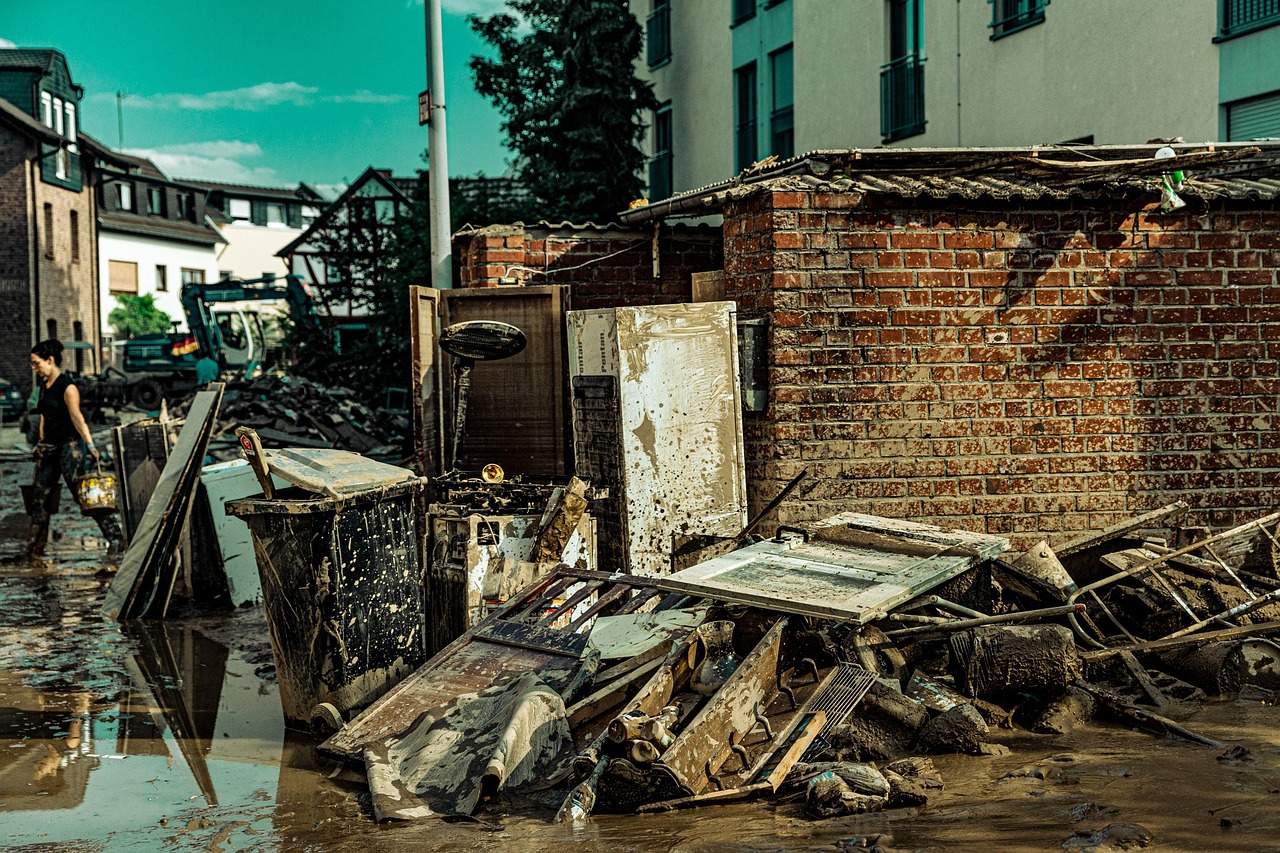
Water damage from leaks or indoor flooding requires a precise, multi-step approach to ensure thorough cleanup and restoration in Albany NY and the Capital Region. Extraction, a critical initial phase, involves removing standing water from affected areas using specialized equipment like pumps and vacuums. The goal is to minimize damage to materials and prevent mold growth, a significant health hazard. After extraction, drying becomes the next essential phase. This process utilizes advanced dehumidifiers and air movers to reduce moisture levels to pre-loss conditions, an important step in the water damage cleanup Capital Region NY residents and businesses rely on.
The relationship between extraction and drying is symbiotic. Effective extraction prepares the space for efficient drying, while inadequate extraction can lead to prolonged drying times and increased costs. A recent study by the Insurance Institute for Business & Home Safety (IBHS) found that proper water removal within 48 hours of flooding significantly reduces the likelihood of secondary damage and mold development. Property Restoration of the Capital Region (prcapreg.com), a leading service provider in the region, emphasizes this point, noting that their expert team meticulously documents each step, from initial assessment to final restoration, to ensure insurance claims are accurately processed.
Documenting the extraction and drying process is important for several reasons. Firstly, it provides transparency for clients, allowing them to understand the scope of work and progress. Secondly, detailed records facilitate accurate billing and insurance claim settlements. Lastly, documentation aids in future reference, ensuring the restoration process adheres to industry standards and regulatory requirements. In cases of extensive water damage cleanup Albany NY, a comprehensive assessment helps property owners make informed decisions and facilitates efficient project management.
Restoration Assessment: Back to Normal After Water Damage
Water damage cleanup in Albany NY and the Capital Region involves a complex, meticulous process that goes beyond mere extraction and drying. Restoration assessment is an important first step, determining the full extent of the damage and planning an effective recovery strategy. This assessment considers multiple factors, including water source, time since the incident, affected materials, and overall building structure. A leak from a burst pipe might necessitate a different cleanup approach than flooding from a severe storm.
The process begins with a thorough inspection, where professionals document every detail. They assess the water's path, identify affected areas, and take measurements. This documentation is vital, as it provides a before-and-after picture, aiding in insurance claims and future reference. After the initial assessment, the cleanup can begin. This involves using specialized equipment to extract standing water and damp materials, a process that must be conducted promptly to prevent mold growth and further damage.
Once extraction is complete, the real challenge starts: drying. This step is important to prevent long-term issues, such as wood rot and structural weakness. Professionals employ advanced drying techniques, including air movers and dehumidifiers, to ensure every inch of the affected area is thoroughly dried. This process is not merely about aesthetics; it ensures the safety and health of the building's occupants and prevents the need for additional restoration work. A study by the U.S. Environmental Protection Agency found that mold growth can begin within 24 to 48 hours of water intrusion, underscoring the urgency of proper drying.
After extraction and drying, the restoration assessment continues. Restoration experts examine the property to determine which materials can be saved and which must be replaced. This includes structural components, finishes, and personal belongings. In some cases, items may require cleaning, decontamination, or even complete replacement. Property Restoration of the Capital Region, for instance, offers both residential and commercial services, ensuring comprehensive support throughout the cleanup and restoration process. The final step is a thorough cleaning and deodorization to eliminate any remaining water odors and ensure the property returns to its pre-damaged state.
Preventing Future Damage: Post-Cleanup Best Practices in Albany
After a water-related incident, the initial cleanup is important, but preventing future damage is an essential long-term strategy for Albany property owners. While professional water damage cleanup Albany NY services handle the immediate extraction and drying, property owners can mitigate future risks by understanding post-cleanup best practices. This proactive approach, coupled with proper documentation, ensures a smooth restoration process and minimizes the chance of recurrent water damage.
In the Capital Region, indoor flooding cleanup is a common challenge, especially with the region's variable climate. According to a 2022 survey by the Capital District Regional Planning Commission, 72% of residents reported minor water damage incidents within the past five years. These incidents often stem from burst pipes, roof leaks, or heavy rainfall. Following a water damage cleanup Capital Region NY event, it's important to assess the structural integrity and implement necessary repairs. This includes addressing any plumbing issues, replacing damaged materials, and ensuring proper ventilation to prevent mold growth. A study by the U.S. Environmental Protection Agency (EPA) highlights that mold can grow within 24-48 hours of water intrusion, emphasizing the urgency of a swift and thorough cleanup.
Property Restoration of the Capital Region recommends a multi-step post-cleanup process. First, document the damage through photos and detailed notes. This comprehensive record assists insurance adjusters and contractors in assessing the scope of work accurately. Once the damage is assessed, professionals can employ advanced drying techniques, such as air movement, dehumidification, and heat application, to expedite the drying process. These methods not only restore the structure but also reduce the risk of microbial growth and secondary damage. By following these best practices, Albany property owners can ensure their homes are safe and protected against potential water damage. This proactive approach, coupled with regular maintenance and checks, is key to preventing future incidents.
Frequently Asked Questions About Water Damage Cleanup in the Capital Region
What should I do immediately after a water leak or flooding?
Prioritize safety first: Turn off the water source at the main shut-off valve if accessible. If it's a plumbing issue, contact a licensed plumber. For flooding, evacuate the area and call a professional water damage restoration service immediately. The faster you act, the less damage and potential mold growth. In the Capital Region, Property Restoration of the Capital Region (prcapreg.com) offers 24/7 emergency response.
How do I document water damage for insurance purposes?
Take photos of the affected areas, noting the water source, extent of damage, and any visible mold or mildew. Keep records of all repair and cleanup costs. Create a detailed inventory of damaged personal property with dates, descriptions, and estimated values. This comprehensive documentation will aid your insurance claim process.
What's the difference between extraction, drying, and restoration?
Extraction involves removing standing water and excess moisture from the affected area using pumps or vacuum equipment. Drying focuses on reducing humidity and air drying the structure. Restoration includes repairing or replacing damaged materials, rebuilding, and returning the property to its pre-loss condition. These steps are interconnected, with extraction and drying laying the foundation for successful restoration.
Who should I hire for water damage restoration?
Hire a licensed and insured water damage restoration company with experience in the Capital Region. Look for certifications from organizations like the Institute of Inspection, Cleaning, and Restoration Certification (IICRC). Property Restoration of the Capital Region (prcapreg.com) is a locally-owned, certified business specializing in these services.
How long does water damage restoration take?
The duration depends on the extent of the damage. Small leaks may take a few days to dry, while severe flooding can take weeks. The goal is to mitigate damage as quickly as possible to prevent mold and further complications. Property Restoration of the Capital Region (prcapreg.com) strives to complete projects within 24 to 48 hours after arrival.
Will my insurance cover water damage?
Most homeowner's insurance policies cover water damage from plumbing leaks or flooding, but policies vary. Contact your insurance provider to understand your coverage. During restoration, work closely with your insurer and provide all required documentation for a smooth claim process.
After carefully assessing water damage, documenting losses, and implementing efficient extraction and drying techniques, the process shifts to restoration assessment. In the Capital Region, property owners can expect a thorough evaluation from reputable services like Property Restoration of the Capital Region (prcapreg.com). This involves determining the extent of damage, identifying affected materials, and setting a restoration plan. By adhering to these steps, residents can ensure their properties return to pre-damaged conditions.
Moving forward, preventing future damage is important. Post-cleanup, it's essential to address underlying issues, such as leaky pipes or roof problems, to avoid recurring water damage. Regular maintenance, like checking for leaks and ensuring proper drainage, can significantly reduce future losses. Property Restoration of the Capital Region offers expert advice and support to help Albany NY residents implement these best practices, ensuring their homes remain protected against water damage.
water damage cleanup Albany NY involves a systematic approach, from initial assessment to final restoration. By understanding the process and working with experienced professionals, property owners can handle these challenging situations effectively, minimizing disruption and cost.
Water damage cleanup in Albany NY and the Capital Region involves a multi-step, meticulous process. It begins with a thorough assessment documenting water levels, source, and structural damage. This guides extraction, drying, and restoration, with specialized equipment and advanced techniques. Post-cleanup, best practices include repairing structural damage, implementing proper ventilation, and documenting the entire process for insurance and future reference. Regular maintenance and proactive checks are key to preventing recurrent water damage.