
Water damage is a common yet devastating issue for property owners in the Capital Region, from Albany to Latham. Leaks, whether from pipes, appliances, or roofs, can quickly transform homes and businesses into soggy, moldy messes. Prompt, professional water damage cleanup is important to mitigating losses, preserving structures, and safeguarding health. This article provides practical guidance on navigating the cleanup process, from initial documentation to restoration assessment, emphasizing the vital role of experts like Property Restoration of the Capital Region (prcapreg.com) in restoring damaged properties effectively. By understanding the steps involved, homeowners and business owners can make informed decisions, ensuring their properties are restored safely and efficiently after water-related incidents in Latham NY and the broader Capital Region.
- Understanding Water Damage: Assessing Indoor Flooding in Latham
- Documentation: Capturing Damage for Restoration Planning
- Extraction and Drying: Key Steps in Water Cleanup
- Restoration Assessment: Rebuilding After Water Damage in NY
Understanding Water Damage: Assessing Indoor Flooding in Latham
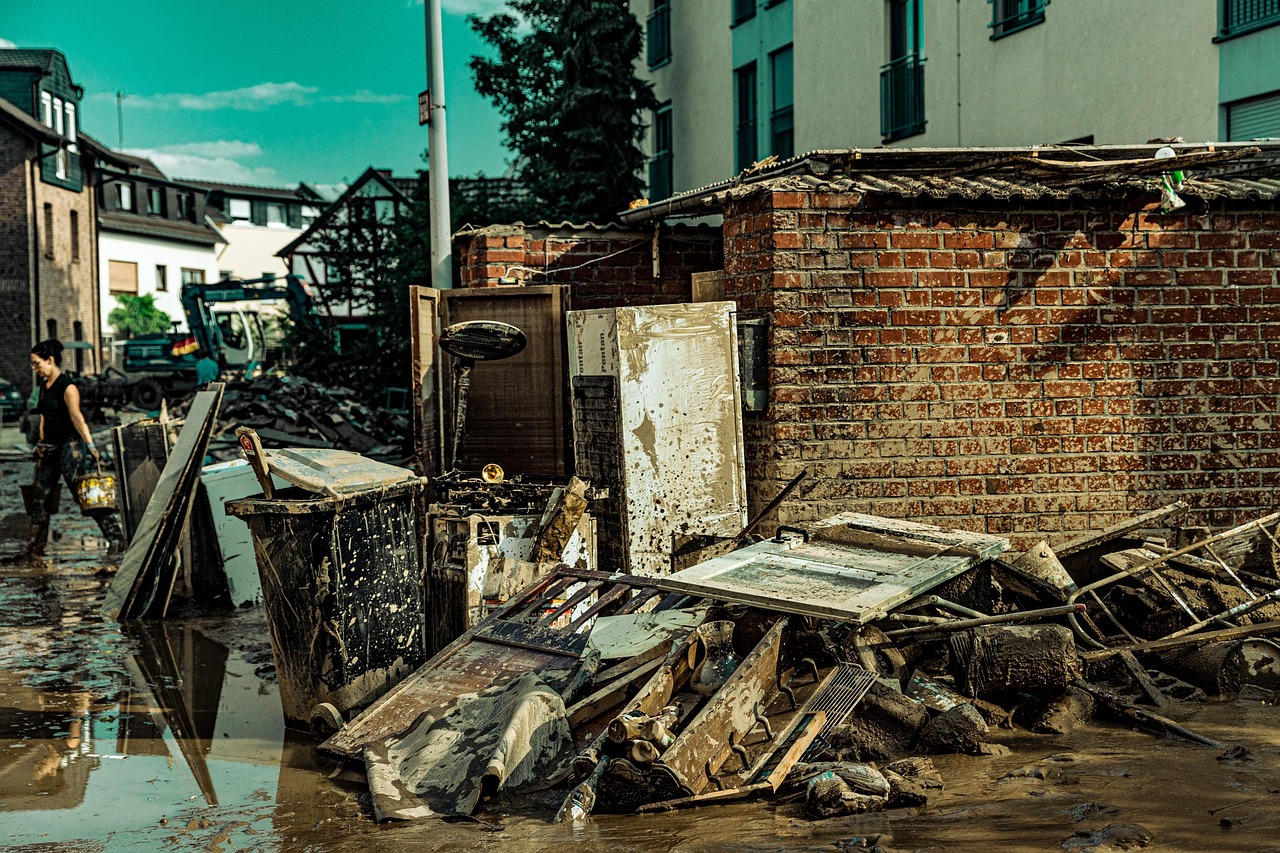
When facing indoor flooding in Latham, NY, understanding water damage cleanup is important. The first step in any water damage cleanup Latham NY scenario is a thorough assessment. This involves documenting the extent of the damage, identifying the water source, and determining the type and amount of water involved. A burst pipe may result in clean water damage, while a flooded basement from heavy rainfall could indicate contaminated water from outside. Property Restoration of the Capital Region, serving the entire Capital Region NY area, emphasizes the importance of this initial phase, as it sets the stage for the entire restoration process.
Once the assessment is complete, the extraction phase begins. This involves removing standing water and wet materials, a critical step to prevent mold growth and further structural damage. Capital Region residents often rely on professional services for this process due to the specialized equipment and expertise required. Following extraction, the real work of drying begins. Drying out affected areas is a complex process that requires both advanced equipment and a deep understanding of material properties. Wood, drywall, and carpet all have distinct drying times and requirements, and professional restoration services use this knowledge to ensure thorough drying.
After extraction and drying, a comprehensive restoration assessment is conducted. This assessment determines the full scope of the damage and guides the restoration process. It involves examining not only visible damage but also potential hidden issues, such as warped framing or compromised electrical systems. Property Restoration of the Capital Region, with its deep experience in the area, offers detailed estimate services and expert advice throughout this critical phase. The relationship between extraction, drying, and assessment is vital; each step must be carefully managed to ensure the property is restored safely and effectively, minimizing the impact of indoor flooding on the Capital Region NY community.
Documentation: Capturing Damage for Restoration Planning

When dealing with water damage, proper documentation is important for effective restoration planning in Latham NY and the broader Capital Region. Capturing detailed information about the extent of the damage is the first step towards a successful cleanup and recovery. This includes taking notes, taking photographs, and creating comprehensive reports that serve as a roadmap for restoration specialists like those at Property Restoration of the Capital Region (prcapreg.com).
documenting water cleanup assessment in the Capital Region involves examining the source and type of water, the affected areas, and the overall extent of the damage. This process begins with a thorough inspection, where professionals identify the source of the leak or flooding. In residential settings, this might involve checking for broken pipes, malfunctioning appliances, or roof leaks. In commercial spaces, potential sources could include broken water mains, faulty HVAC systems, or even severe weather events. Once the source is pinpointed, the cleanup process can begin, focusing on extracting standing water and preventing further damage.
After extraction, the real work starts: drying and restoration assessment. Professional restoration experts use advanced tools and techniques to measure moisture levels and ensure the affected areas are thoroughly dried. This is critical to prevent mold growth and structural damage. In the Capital Region, where humidity levels can vary significantly, precise drying is essential. According to the U.S. Environmental Protection Agency (EPA), proper drying can reduce the risk of mold growth by 80-90%. Restoration assessment also includes evaluating the structural integrity of the property and identifying any necessary repairs or replacements, ensuring the safety and livability of the space.
In the case of cleanup after a water leak in Latham NY or indoor flooding, documentation matters in the insurance claims process. Detailed reports and photographs can streamline claims, ensuring homeowners and businesses receive the necessary coverage for restoration efforts. Working with reputable services like Property Restoration of the Capital Region ensures a thorough and documented approach to water damage cleanup, providing peace of mind during an otherwise stressful situation.
Extraction and Drying: Key Steps in Water Cleanup

Water damage cleanup in Latham NY and the broader Capital Region faces unique challenges due to the region's climate and diverse building stock. When dealing with leaks or indoor flooding, efficient extraction and drying are critical steps in the restoration process. These steps not only halt further damage but also speed up the overall recovery, minimizing disruption and cost.
Extraction involves removing standing water from affected areas. This can range from simple mopping to advanced pump-out methods, depending on the extent of the flooding. After extraction, the focus shifts to drying. This process is intricate; it not only includes removing moisture from surfaces but also insuring the structural integrity of the building. Professional restoration companies use advanced equipment, like air movers and dehumidifiers, to expedite drying. Property Restoration of the Capital Region employs a proven method of monitoring humidity levels to ensure the environment is dry enough to prevent mold growth and structural damage.
A key aspect of extraction and drying is the science behind water's unique properties. As per the U.S. Geological Survey (USGS), water's high surface tension and ability to hold heat make it challenging to remove. This is especially true in older buildings where materials may have lower water-resistant ratings. The World Meteorological Organization's data on regional climate patterns further emphasizes the need for efficient extraction and drying. In the Capital Region, where temperature fluctuations are common, proper drying is important to prevent freezing and subsequent damage during winter months.
Proper documentation is another vital part of the process. Water damage cleanup assessments in Latham NY and the Capital Region should detail the source of the water, the affected areas, and the extent of the damage. This documentation not only aids insurance claims but also ensures a thorough understanding of the restoration needs. It's important for property owners to work with reputable services like Property Restoration of the Capital Region, which maintain detailed records of each project, ensuring accountability and quality control.
Restoration Assessment: Rebuilding After Water Damage in NY
Water damage cleanup in homes and businesses is a complex process that requires a thorough understanding of the damage and a well-planned restoration strategy. When facing indoor flooding or water leaks in Latham, NY, or throughout the Capital Region, the first step is a meticulous water cleanup assessment. This assessment is important for several reasons, not least because it determines the extent of the damage and guides the restoration process.
A comprehensive water cleanup assessment involves several key components. Restoration experts inspect the affected areas, documenting water levels, affected materials, and potential mold growth. They also assess structural integrity and the potential for secondary damage, such as electrical hazards or foundation instability. A 2020 study by the American Restoration Association found that proper assessment reduces restoration costs by an average of 15%. In the Capital Region, Property Restoration of the Capital Region (prcapreg.com) emphasizes the importance of these detailed assessments, noting that they provide a baseline for measuring progress and ensuring the work is completed to the highest standards.
After the assessment, the restoration process can begin. This includes extracting standing water, drying affected areas, and implementing strategies to prevent mold growth. Extraction and drying are critical steps in water damage cleanup. They not only remove visible water but also reduce moisture levels that can foster mold and bacteria growth. A study by the Environmental Protection Agency (EPA) highlights the health risks associated with moldy environments, emphasizing the need for swift and thorough drying. In cases of indoor flooding cleanup in the Capital Region, professionals use advanced equipment to ensure efficient water removal and accelerated drying times, aiming to mitigate damage and protect the health of residents and their properties.
Frequently Asked Questions About Water Damage Cleanup in the Capital Region
What should I do immediately after a water damage incident?
Prioritize safety and stop the water source. Turn off electricity at the main breaker if safe to do so. Document the damage with photos, noting the water source, affected areas, and any visible mold or water stains. Contact a reputable water damage restoration company within the Capital Region, like Property Restoration of the Capital Region (prcapreg.com), for a rapid assessment. Quick action is important to prevent further damage and ensure a faster, more effective restoration.
How does extraction relate to water damage cleanup?
Extraction involves removing standing water from your property as the first step in the cleanup process. This is done using specialized equipment like pumps and vacuums. Effective extraction is essential to minimize drying time and reduce the risk of mold growth. Professional restoration companies use advanced extraction techniques tailored to different water damage scenarios, ensuring your property dries thoroughly.
What is the role of drying in water damage restoration?
Drying is a critical phase after extraction. It involves using dehumidifiers and air movers to remove moisture from the air and affected surfaces. Proper drying prevents mold and bacteria growth, reduces the risk of structural damage, and ensures the property returns to a safe and livable condition. This process is often time-sensitive, and professional restoration services monitor humidity levels to ensure best drying.
How do I know if I need professional restoration services?
The extent of water damage often determines the need for professional assistance. If the damage is extensive, involving significant water volume or prolonged exposure, professional restoration is recommended. Signs include visible mold, extensive water stains, or if the damage affects structural components. Property Restoration of the Capital Region (prcapreg.com) offers free assessments to determine the best course of action, ensuring your property is restored effectively.
Are there specific documentation requirements for insurance claims?
Detailed documentation is essential for insurance claims. Keep records of all communication with insurance providers and restoration companies. Gather receipts for repairs and replacements, along with before-and-after photos of the damage. Property Restoration of the Capital Region (prcapreg.com) assists clients in navigating insurance claims, ensuring all necessary documentation is prepared accurately and thoroughly.
How long does the restoration process typically take?
Restoration time varies depending on the severity of the water damage. Smaller, localized incidents might take a few days, while larger, more complex jobs could take weeks. Professional restoration companies provide realistic timelines based on their assessment. Property Restoration of the Capital Region (prcapreg.com) prioritizes efficient restoration, aiming to complete projects promptly and effectively.
In the aftermath of water damage, effective cleanup and restoration in Latham NY and the Capital Region require a structured approach. By understanding water damage, documenting the extent of the harm, and following a precise sequence of extraction, drying, and assessment, property owners can ensure their homes are restored safely and thoroughly. This process, as demonstrated by reputable services like those offered by Property Restoration of the Capital Region (prcapreg.com), is important for minimizing loss, preventing mold growth, and facilitating a swift return to normalcy.
The first step, assessing the damage, involves identifying the source and extent of the flooding, important for planning restoration efforts. Proper documentation, including detailed photos and notes, serves as a blueprint for the restoration process, guiding professionals in the removal and replacement of affected materials.
Extraction and drying are the next critical phases. Prompt action by licensed professionals ensures that water is removed efficiently, minimizing damage to structures and personal belongings. Advanced equipment and techniques, tailored to the specific type and severity of the water damage, accelerate the drying process, preventing mold and mildew from taking hold.
Once the area is dry, a comprehensive restoration assessment is conducted. This involves evaluating structural integrity, identifying mold risks, and determining the scope of repairs needed. This assessment is key to crafting a tailored restoration plan, ensuring the property is returned to its pre-damaged condition.
By following these structured steps, property owners in the Capital Region can trust that their water damage cleanup in Latham NY and surrounding areas is in capable hands. This systematic approach, grounded in expertise and backed by thorough documentation, leads to successful restoration outcomes, ensuring peace of mind for affected residents.
Water damage cleanup in Latham, NY, involves a multi-step process: assessment (identifying water source, extent of damage), extraction (removing standing water), drying (using advanced equipment, understanding material properties), and assessment (comprehensive restoration plan). Proper documentation is important for insurance claims and ensuring a thorough restoration. Efficient extraction and drying, backed by scientific understanding of water's properties, minimize damage and health risks, especially in the diverse Capital Region climate. Working with experienced professionals like Property Restoration of the Capital Region ensures accountability and high-quality restoration.