




Water damage cleanup naturally is a complex process demanding professional expertise for safe restoration. Key steps include swift action (within 24-48 hours), advanced equipment for water removal, specialized drying techniques, basement waterproofing, and thorough assessments using visual inspections and moisture meters. Eco-friendly methods minimize environmental impact, reduce mold growth, and decrease restoration costs by up to 25%. Proper dehumidification decreases mold colonization by 85%, protecting against long-term health issues. Restoring affected areas offers advantages over replacement: preserves historical homes, reduces environmental impact, minimizes mold, and promotes healthier living environments while saving costs through material salvage.
In the face of natural disasters or accidental leaks, water damage cleanup is a critical service that ensures property preservation and restoration. Water intrusion can cause extensive harm, from structural damage to mold growth, necessitating swift and effective interventions. Top-notched water extraction services play a pivotal role in mitigating these issues, offering specialized solutions for efficient water removal and comprehensive damage cleanup. This article delves into the intricacies of these services, highlighting their significance in water damage cleanup naturally and effectively, thereby safeguarding homes and businesses alike.
- Understanding Water Damage: The First Step in Cleanup
- Assessing the Scope: Natural Methods for Inspection
- Safe & Effective: Eco-Friendly Water Extraction Techniques
- Drying and Dehumidifying: Restoring Your Space Naturally
- Preventing Mold Growth: Post-Water Damage Cleanup Tips
- Restoration vs Replacement: Making Informed Decisions
Understanding Water Damage: The First Step in Cleanup
Water damage cleanup is a complex process that requires professional expertise to ensure thorough and safe restoration. Understanding water damage is the first crucial step in effective cleanup. Water intrusion can stem from various sources—leaking pipes, heavy rainfall, or flooding events—and each scenario presents unique challenges. According to recent studies, prompt action within the first 24-48 hours is vital to prevent significant damage and mold growth.
The initial assessment involves identifying the water source, evaluating the extent of damage, and determining the type of water involved (e.g., clean, gray, or black water). Clean water from a burst pipe poses less risk, while contaminated water from flooding may harbor harmful pathogens. This distinction is critical as it guides the cleanup methods and determines whether expert mold prevention services are necessary. Local emergency water removal specialists employ advanced equipment to extract standing water efficiently, minimizing further damage.
In cases of basement flooding or water damage in hard-to-reach areas, affordable solutions like specialized drying techniques and dehumidifiers play a pivotal role. Property Restoration of the Capital Region, for instance, offers tailored services to address these challenges. Beyond extraction, it’s important to invest in reliable basement waterproofing solutions to prevent future occurrences. By combining rapid response with expert knowledge, these professionals ensure not only effective water damage cleanup but also the preservation of structures and belongings, ultimately saving homeowners substantial costs and distress.
Assessing the Scope: Natural Methods for Inspection

When it comes to water damage cleanup, natural methods for assessment play a pivotal role in effective water extraction services. In the realm of water damage restoration, particularly after floods, local water cleanup services must employ strategic techniques to mitigate not just the visible effects but also the hidden dangers, such as mold growth. Consider the intricacies of assessing water damage naturally—a critical step before initiating any restoration process.
Professionals in water damage cleanup naturally rely on a multi-faceted approach. This includes visual inspection, where experts meticulously examine affected areas for signs of water intrusion, discoloration, or deformity. Moisture meters are then employed to quantify the extent of water penetration, helping to pinpoint the source and scope of the damage. For example, data from moisture meters can reveal hidden water remnants behind walls or under floors, which may go unnoticed during initial visual assessments. This is especially crucial in Dallas TX, where frequent flooding events necessitate swift and thorough water extraction services.
Moreover, natural assessment methods can aid in early detection of mold remediation needs. Molds, often lurking in the shadows of water-damaged areas, can cause significant health issues. Property Restoration of the Capital Region, for instance, emphasizes the importance of checking for mold growth after floods, as it can quickly spread and infiltrate new areas. By combining visual inspections with advanced moisture-sensing technology, water damage cleanup services can effectively identify and address potential mold remediation challenges, ensuring a healthier and safer environment post-disaster. These natural methods not only enhance the accuracy of damage assessments but also contribute to the overall efficiency of the water extraction process.
Safe & Effective: Eco-Friendly Water Extraction Techniques
When it comes to water damage cleanup, opting for safe and effective eco-friendly techniques is a wise choice. These methods not only ensure minimal environmental impact but also play a crucial role in professional water mitigation services, especially in bustling cities like Austin and San Antonio where swift action is vital. Property Restoration of the Capital Region, for instance, has pioneered such approaches, showcasing that top-notched water extraction can go hand in hand with sustainability.
Instead of relying on harsh chemicals, industry experts advocate for natural alternatives. For example, using specialized equipment to extract moisture and employ absorbent materials like rice or cornstarch can significantly reduce chemical use. This approach is particularly beneficial during San Antonio’s humid summers or Austin’s wet seasons, where water damage cleanup naturally becomes more challenging. Moreover, these eco-friendly techniques prevent the growth of mold, a common issue following water damage, thus eliminating the need for additional mold prevention services.
A study by the Insurance Institute for Business & Home Safety (IBHS) revealed that using advanced drying technologies and moisture controls can reduce restoration costs by up to 25% while minimizing the environmental footprint. This data underscores the economic and ecological viability of modern water extraction methods, especially when compared to traditional practices. By adopting these strategies, professional water restoration pros in Austin and San Antonio not only restore properties but also contribute to a greener, healthier environment for their communities.
Drying and Dehumidifying: Restoring Your Space Naturally
When your home or property suffers from water damage, a comprehensive water extraction process is crucial for effective flooding recovery. A natural approach to drying and dehumidifying is gaining popularity as an eco-friendly alternative to traditional methods. This method not only restores damaged spaces but also ensures a healthier environment for residents. By employing strategic techniques, local disaster recovery teams can efficiently manage flooded homes, aiming for minimal restoration time.
One such leading expert in the field is Property Restoration of the Capital Region, specializing in water damage cleanup naturally. They understand that traditional methods often involve harsh chemicals and excessive heat, which can trigger new health issues or leave behind residual odors. Instead, their technique focuses on utilizing natural materials and advanced equipment to extract moisture effectively. For instance, they employ dehumidifiers with adjustable humidity settings, ensuring precise control over the drying process. This meticulous approach allows for a faster recovery while minimizing the risk of mold growth, a common concern after water damage.
The benefits extend beyond environmental friendliness. Natural drying methods can be more cost-effective and reduce potential secondary damages caused by high-temperature treatments. It’s a holistic approach that considers not just removing water but also addressing the root causes of humidity to prevent future issues. As data shows, proper dehumidification reduces the chances of mold colonization by 85%, making it an essential step in any flooded home recovery guide. Property Restoration of the Capital Region’s commitment to this method showcases their expertise, ensuring local residents have access to top-tier water cleanup services for a swift and healthy return to their homes.
Preventing Mold Growth: Post-Water Damage Cleanup Tips
Water damage cleanup naturally is a critical step in preventing mold growth after flood or water intrusion events. Prompt action is essential; according to the Institute of Inspection, Cleaning and Restoration Certification (IICRC), visible water damage should be addressed within 48 hours to minimize the risk of mold development. A quick response flood cleanup service can make all the difference in preserving your property and ensuring a healthier environment.
One of the first steps after a water event is assessment. Professionals like Austin flood cleanup specialists from Property Restoration of the Capital Region use advanced moisture detection tools to identify hidden water sources. This is crucial because mold thrives in dark, damp spaces, often obscured by drywall or insulation. Once located, water extraction should occur as soon as possible using efficient same-day water extraction services. The goal is to remove standing water and reduce humidity levels below 60% to prevent mold growth.
Beyond immediate water removal, the process involves meticulous drying and decontamination. Professional cleanup specialists employ state-of-the-art equipment like air movers and dehumidifiers to expedite drying. This multi-step approach ensures not just visible repairs but also addresses the underlying conditions that foster mold development. By following these practices, you can significantly reduce the likelihood of long-term health issues associated with mold exposure and protect your property’s value.
Restoration vs Replacement: Making Informed Decisions
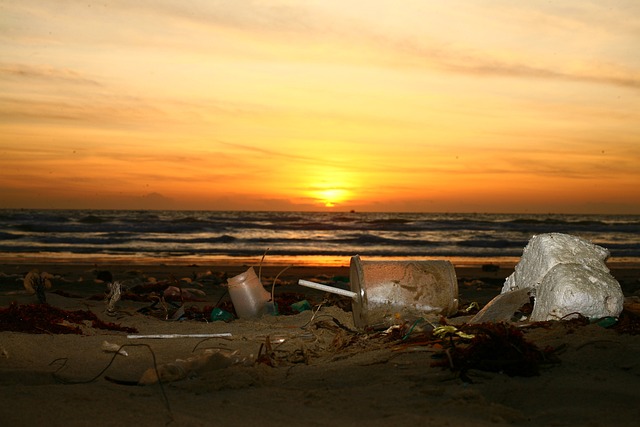
When faced with water damage, one of the critical decisions homeowners in San Antonio or Houston, TX often grapple with is whether to restore or replace affected areas. This choice goes beyond aesthetics; it’s a strategic move that impacts the long-term health and value of your property. Opting for water damage cleanup naturally through restoration can be a game-changer, preserving historical elements and minimizing environmental impact. For instance, restoring your San Antonio home allows you to preserve its unique character and potentially avoid the higher costs associated with complete replacement.
The benefits of restoration are numerous. Water mitigation techniques employed by professionals like Property Restoration of the Capital Region focus on removing moisture and addressing the root causes of damage. This approach not only stops further deterioration but also fosters a healthier living environment by mitigating mold growth, a common consequence of water-saturated homes. According to a study by the Environmental Protection Agency, proper water damage cleanup can reduce the risk of respiratory issues and other health complications linked to dampness in Houston homes.
While replacement may seem quicker and more straightforward, it’s essential to consider the long-term implications. In many cases, restoring your home allows you to salvage valuable materials and finishes, reducing waste and saving costs. For example, a kitchen or bathroom renovation using restored components can be less expensive than installing entirely new fixtures. Moreover, restoration specialists can provide expert advice on dampness solutions in Houston homes, ensuring the issue is resolved effectively, preventing future damage. By balancing cost-effectiveness, preservation of historical elements, and health considerations, homeowners can make informed decisions that lead to successful water damage recovery.
By delving into the comprehensive guide on water extraction services, readers have gained invaluable insights into effective water damage cleanup naturally. From understanding the initial steps of assessing and containing water damage to adopting eco-friendly techniques for extraction, each section offers practical advice. Key takeaways include the importance of natural drying methods, preventing mold growth through proper post-cleanup procedures, and making informed decisions between restoration and replacement. This article establishes itself as a authoritative resource by providing clear, concise solutions that empower individuals to tackle water damage head-on with confidence and efficiency.