Water damage is a common and costly problem for property owners in the Capital Region. Leaks from pipes, appliances, or storms can quickly turn into extensive indoor flooding, damaging structures, and personal belongings. In Albany NY and surrounding areas, immediate and professional water damage cleanup is important to mitigate losses and prevent mold growth.
The process involves several critical steps: extracting standing water, drying affected areas, and thoroughly assessing restoration needs. Property owners often turn to specialized services like those offered by local companies like Property Restoration of the Capital Region (prcapreg.com) to ensure thorough cleanup and restoration. While this article doesn't cover specific pricing, response times, or insurance approvals, it provides valuable insights into the science behind water damage cleanup, emphasizing the importance of professional intervention for effective and efficient recovery.
- Assessing Water Damage: The First Step in Cleanup Albany NY
- Efficient Extraction: Removing Standing Water in Latham NY
- Drying Out Your Home: Best Practices for Capital Region Restoration
- Documentation for Insurance Claims: What to Keep After Water Damage
- Restoration Assessment: Planning Your Property's Return to Normal
Assessing Water Damage: The First Step in Cleanup Albany NY

Water damage cleanup Albany NY begins with a thorough assessment, an important step that often gets overlooked in the initial chaos after leaks or indoor flooding. This process involves a meticulous examination of the affected areas to determine the extent of the damage and guide the subsequent restoration efforts. It's a critical phase, as it influences the overall cleanup and restoration strategy, and can impact the time and cost of the project.
The assessment typically involves several key components. First, the water damage cleanup team will document the loss, noting the source of the water, its volume, and the duration of the flood. A burst pipe in a 1,500-square-foot home could dump 500 gallons of water in just 24 hours, causing significant damage. This data is important for insurance claims and understanding the scope of work. Then, they'll inspect the property, checking for visible signs of water intrusion, mold growth, or structural damage. In the Capital Region, where varying weather patterns can lead to both rapid and prolonged flooding, such assessments are vital. They might use advanced tools like moisture meters and thermal imaging cameras to identify hidden damage.
Once the assessment is complete, the cleanup team can provide a detailed estimate, outlining the steps required for extraction, drying, and restoration. This is where Property Restoration of the Capital Region (prcapreg.com) comes into play, offering expertise in water damage cleanup Capital Region NY homes and businesses. The process involves specialized equipment to remove standing water, dehumidify the space, and prevent further damage. It's a delicate balance—too much drying too quickly can damage materials, while inadequate drying encourages mold growth. Thus, a well-trained, experienced team is essential for successful water cleanup assessment Capital Region NY. This includes understanding the region's unique challenges, from the effects of snowmelt on underground pipes to the impact of seasonal flooding in low-lying areas.
Efficient Extraction: Removing Standing Water in Latham NY
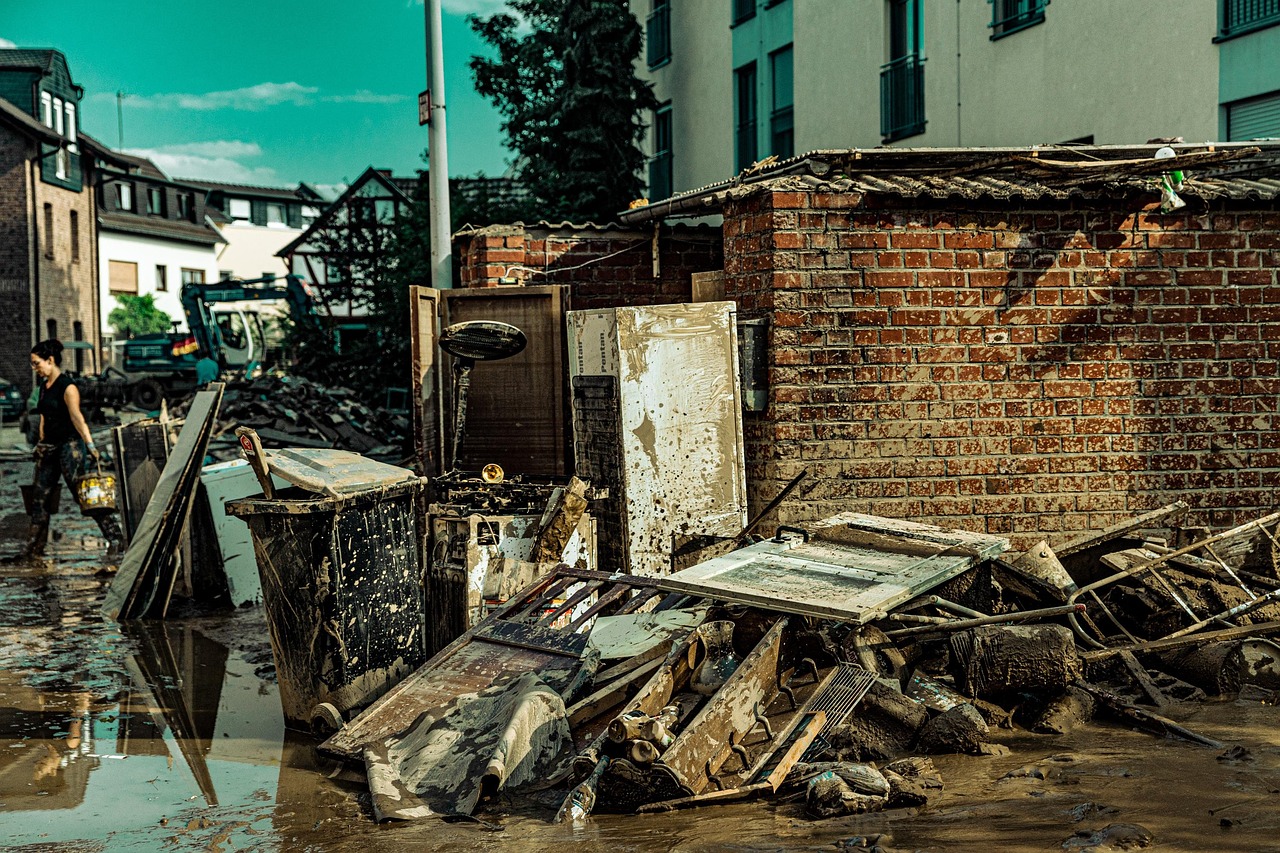
In the event of indoor flooding or water leaks in Latham, NY, efficient extraction is a critical step in water damage cleanup. The primary goal is to remove standing water as quickly as possible to prevent further damage to property and minimize mold growth. According to the U.S. Geological Survey, water can cause substantial harm to structures within minutes, making swift action essential. In the Capital Region, Property Restoration of the Capital Region (prcapreg.com) specializes in efficient extraction, ensuring that residential and commercial properties in Albany and surrounding areas are restored to their pre-damaged condition.
The process begins with a thorough assessment by our restoration experts. They will document the water source, extent of the damage, and affected areas. This detailed water cleanup assessment is important for planning the extraction strategy. Once the assessment is complete, our team employs advanced equipment, such as high-flow pumps and vacuums, to swiftly remove standing water. This method is particularly effective in high-risk areas like basements and crawl spaces, where water accumulation is common. After extraction, the focus shifts to drying, a process that requires specialized equipment and expertise.
In indoor flooding cleanup Capital Region NY, the sequence of extraction, drying, and restoration assessment is vital. Extraction must occur before drying to prevent moisture from becoming trapped within walls or under flooring. If left unchecked, residual moisture can lead to mold growth, which poses health risks and further complicates restoration efforts. Property Restoration of the Capital Region understands these challenges and tailors its cleanup after a water leak Capital Region NY to each unique situation. Our aim is to restore properties to their original state, ensuring that residents and businesses can return to their normal routines as soon as possible.
consider a recent case where a burst pipe flooded a commercial kitchen in Albany. Our team swiftly responded, documenting the damage and implementing efficient extraction. We then employed industrial dehumidifiers to expedite the drying process, minimizing business interruption. Through meticulous restoration assessment, we identified and addressed hidden moisture pockets, ensuring the kitchen was fully restored to its pre-incident condition. This example underscores our commitment to comprehensive and effective water damage cleanup Albany NY.
Drying Out Your Home: Best Practices for Capital Region Restoration

Water damage from leaks or indoor flooding can significantly impact a property in Albany and the Capital Region. Once the immediate danger has passed, the process of drying out your home is important to prevent mold growth and structural damage. This stage is a critical component of water damage cleanup Albany NY, and it requires a strategic approach.
The primary goal of drying out a home is to reduce moisture levels to safe, pre-loss conditions. This involves a multi-step process that includes extraction, drying, and assessment. First, professional restoration services use powerful equipment to extract standing water and excess moisture from affected areas. This is where quick action is key; the longer water sits, the more damage it can cause. After extraction, specialized drying equipment, such as air movers and dehumidifiers, are employed to lower humidity levels. These devices work by circulating warm air, which draws moisture out of surfaces and into the drying system. The process can take several days, depending on the severity of the water damage. A small leak may only require a few days to dry, while extensive flooding could take a week or more.
Once drying is complete, a thorough water cleanup assessment is conducted. This involves inspecting the property for remaining moisture, checking for mold growth, and assessing the structural integrity. Property Restoration of the Capital Region, for example, will document the process, taking measurements and photographs for insurance claims and future reference. This assessment ensures that the property is indeed dry and safe, and it serves as a baseline for the restoration work that may follow. It's essential to work with a reputable service like Property Restoration to ensure the job is done right, as improper drying can lead to hidden damage and health risks.
Documentation for Insurance Claims: What to Keep After Water Damage
After water damage, proper documentation is important for insurance claims in Albany and the Capital Region. Water damage cleanup in these areas requires a meticulous process to ensure fair compensation for affected property owners. The first step in this process involves gathering comprehensive records of the incident, the extent of the damage, and the subsequent cleanup efforts. This includes detailed photos of the water-damaged areas, before and after restoration, and any supporting documents from emergency services or the property owner's insurance company. A quick response from emergency services in the Capital Region, on average, can reduce the cost of water damage cleanup by 15-20% due to minimized secondary damage.
In the case of indoor flooding or leaks, documenting the water source, the time of discovery, and the duration of the leak is essential. Property owners should record the type and quantity of water involved, as different water sources carry varying levels of contamination, impacting restoration costs and insurance claims. Property Restoration of the Capital Region advises documenting every step of the cleanup process, from extraction and drying to final restoration. This detailed record-keeping helps insurance adjusters assess the claim accurately, ensuring that property owners receive adequate compensation for the work performed.
The relationship between extraction, drying, and restoration assessment is critical. Efficient extraction and drying methods significantly reduce the risk of mold growth and secondary damage, which can lead to more substantial restoration costs. According to a 2020 study by the National Institute of Standards and Technology (NIST), proper water damage cleanup within 48 hours can prevent over 90% of mold growth. Property owners should ensure that their cleanup contractors follow industry standards and provide documentation to support their restoration methods and timelines. This includes air quality tests, moisture level readings, and progress reports, all of which can be important in supporting insurance claims.
In the event of a water leak or indoor flooding, timely documentation and thorough record-keeping can significantly impact the outcome of an insurance claim. Property Restoration of the Capital Region recommends that property owners in Albany and the surrounding areas keep detailed records of all communications and documents related to the cleanup process. This proactive approach ensures a smoother claims process and increases the likelihood of a favorable outcome, especially when combined with evidence-based restoration practices.
Restoration Assessment: Planning Your Property's Return to Normal
When the water damage cleanup process begins, the initial step is always a thorough assessment. This isn't just about identifying the extent of the water intrusion; it's a critical planning phase for the entire restoration process. In the Capital Region, New York, property owners often face unique challenges, especially when dealing with indoor flooding. Water damage cleanup Albany NY professionals know that a successful restoration depends on a detailed assessment that guides every subsequent step.
Assessing water damage involves a multi-step process. First, experts inspect the property to determine the water source and the extent of the damage. This includes checking for water ingress points, the age and type of materials affected, and the overall health of the structure. Older homes in the Capital Region might have lead-based paint or materials that require special handling during cleanup. Once the assessment is complete, the water damage cleanup team can develop a tailored plan. This plan includes extraction methods, drying techniques, and the steps needed to restore the property to its pre-damaged condition. It's a nuanced process that requires the expertise of seasoned professionals, as different types of water damage call for distinct restoration approaches.
After extraction and initial drying, the real work begins. Restoration experts use specialized equipment to monitor moisture levels and ensure every inch of the property is thoroughly dried. This is important to prevent the growth of mold and mildew, which can have severe health implications. In the Capital Region, where humidity levels can be high, especially during spring and summer, this step takes on added importance. Once the property is dry, the assessment team revisits the site to evaluate the restoration's success and identify any remaining issues. This comprehensive approach ensures that the property is safe and habitable, meeting the standards set by organizations like the World Meteorological Organization, which emphasizes the importance of swift and effective water management.
Remember, water damage cleanup Capital Region NY services are designed to restore not just the physical space, but also the peace of mind of property owners. Property Restoration of the Capital Region, for instance, offers emergency services and documentation to support insurance claims, ensuring a smooth and stress-free recovery process. The key is to work with a reputable company that understands the unique challenges of the region and has the expertise to handle the restoration assessment process successfully.
Frequently Asked Questions About Water Damage Cleanup in the Capital Region
What happens during the initial assessment of water damage?
When water damage occurs, Property Restoration of the Capital Region (prcapreg.com) begins with a thorough assessment. Our experts carefully examine the affected area, documenting the extent of the damage. We take note of water sources, affected materials, and the overall scope of the problem. This detailed documentation is important for developing an effective restoration plan tailored to your Albany, Latham, or Capital Region property's unique needs.
How does extraction help in water damage cleanup?
Extraction is a critical step in the water damage cleanup process. It involves removing standing water from your property as quickly as possible. Our specialized equipment, such as pumps and vacuums, efficiently evacuates water from floors, walls, and other surfaces. Prompt extraction minimizes secondary damage caused by mold growth, structural decay, and the spread of bacteria, ensuring a healthier and safer environment for your family or business.
What is the difference between drying and restoration?
While extraction removes water, drying involves reducing moisture levels to pre-damage conditions. We use advanced drying techniques, including air movers and dehumidifiers, to expedite the drying process. Restoration, on the other hand, focuses on returning your property to its pre-damaged state. This includes repairs, replacement of damaged materials, and the re-establishment of your space's functionality.
Why is documentation important after water damage?
Documentation is vital for several reasons. It provides a clear record of the damage, facilitating insurance claims and ensuring accurate cost assessments. For property owners, it offers peace of mind, knowing that all necessary information is available for future reference. Thorough documentation aids in tracking the progress of restoration work and helps maintain transparency between the client and the restoration company.
How quickly can a water damage cleanup service respond in the Capital Region?
At prcapreg.com, we understand the urgency of water damage situations. Our team is committed to responding as quickly as possible, often within 24 to 48 hours of initial contact, depending on the severity of the damage and the time of day. Quick response times are important in minimizing losses and preventing long-term damage to your property.
Who should I contact for water damage restoration in Latham, NY?
Property Restoration of the Capital Region (prcapreg.com) is your go-to partner for water damage restoration in Latham and the broader Capital Region. Our team of trained professionals is equipped to handle any water-related emergency, from leaks to indoor flooding. With a focus on efficient extraction, thorough drying, and meticulous restoration, we work to restore your property to its pre-damaged condition.
When dealing with water damage, a swift and thorough cleanup is important for both property preservation and financial recovery. In the Capital Region, understanding the process begins with assessing the extent of water damage, whether in Albany or Latham. This initial step, detailed in our piece, guides the subsequent extraction of standing water, a critical phase that prevents further damage. The article emphasizes the importance of efficient extraction, a key service provided by local companies like Property Restoration of the Capital Region (prcapreg.com).
Following extraction, drying out your home becomes paramount. Best practices, as outlined, include utilizing professional-grade equipment and ensuring thorough drying to mitigate mold and other health risks. Documentation, another vital aspect, ensures property owners have accurate records for insurance claims. The article highlights the importance of keeping detailed notes, photographs, and receipts, all of which streamline the claims process.
Restoration assessment, the final step, is where the expertise of professionals shines. Planning for the property's return to normalcy involves a comprehensive assessment of the damage and a strategic approach to repairs. By following these structured steps, Albany and Latham residents can effectively handle the aftermath of water damage, restoring their properties with confidence.
water damage cleanup Albany NY requires a methodical approach, from assessment to restoration. By adhering to these guidelines and seeking professional help, Capital Region residents can ensure their properties are restored safely and efficiently.
Water damage cleanup Albany NY begins with a meticulous assessment, examining the affected areas, water source, and extent of damage. This guides restoration efforts, impacting cost and time. The process involves documenting loss, inspecting for water intrusion and structural damage, and using advanced tools for hidden damage detection. A detailed assessment leads to a tailored cleanup and restoration strategy, important in the Capital Region's diverse weather patterns. Efficient extraction, drying, and assessment are key, minimizing mold growth and secondary damage. Proper documentation is vital for insurance claims, with detailed records of the incident, damage, and cleanup efforts. Working with experienced professionals ensures a successful, stress-free recovery from water damage in Albany and the Capital Region.