Water damage, whether from leaks or indoor flooding, can devastate homes and businesses in the Capital Region. Prompt and thorough cleanup is important to prevent mold growth, structural damage, and costly repairs. Understanding the process of water damage cleanup involves recognizing the delicate balance between extraction, drying, and restoration assessment. Property owners in Albany NY and surrounding areas rely on specialized services like those offered by Property Restoration of the Capital Region (prcapreg.com) to handle these complexities and restore their properties to pre-damaged conditions.
In this article, we'll examine the practical aspects of water damage cleanup, focusing on best practices, documentation, and the key role of professional restoration experts in the Capital Region.
- Assessing Water Damage: Documenting the Impact in Albany, NY
- Extraction and Drying: Essential Steps in Cleanup
- Restoration Assessment: Planning for Complete Recovery
Assessing Water Damage: Documenting the Impact in Albany, NY
Water damage cleanup in Albany, NY, requires a meticulous assessment process to determine the extent of the impact. Documenting the damage is important for efficient cleanup and restoration. In the Capital Region, property owners often face indoor flooding from various sources, such as burst pipes, roof leaks, or severe weather events. After a water leak or flooding incident, quick documentation can significantly influence the cleanup and restoration process, ensuring a more effective and thorough recovery.
The first step in water damage cleanup Albany NY professionals take is conducting a thorough inspection. They document the water source, extent of the leak, and the affected areas. This includes taking detailed notes, photographs, and, in some cases, conducting moisture readings to pinpoint the level of water intrusion. A study by the U.S. Geological Survey (USGS) highlights the importance of early documentation in water damage assessment, emphasizing the need for accurate data to guide restoration strategies. Property Restoration of the Capital Region, a leading service provider, understands the critical role of documentation, ensuring every detail is captured to facilitate a smooth cleanup process.
Once the damage is documented, the next phase involves extraction and drying. This process aims to remove standing water and reduce moisture levels to prevent further deterioration. In the Capital Region, where varying climates can contribute to indoor flooding, efficient extraction is vital. According to the World Meteorological Organization, New York State experiences diverse weather patterns, making prompt action and thorough drying essential to avoid mold growth and structural damage. After extraction, specialized drying equipment is employed to ensure every corner and surface is dried evenly, a critical step often overlooked but important for successful water damage cleanup Capital Region NY residents can rely on.
Extraction and Drying: Essential Steps in Cleanup
Water damage cleanup in Albany NY and the surrounding Capital Region requires a systematic approach, especially when dealing with leaks or indoor flooding. The initial assessment and subsequent extraction and drying processes are critical to prevent further damage and mold growth. Property owners often turn to local restoration companies like Property Restoration of the Capital Region (prcapreg.com) for expert guidance and swift action.
Extraction, the first step, involves removing standing water and moisture from the affected areas. This can range from using a simple mop and bucket for minor leaks to powerful pumps and vacuums for more extensive flooding events. The goal is to dry out the space as quickly as possible, minimizing the risk of water damage to floors, walls, and personal belongings. A 2020 study by the U.S. Geological Survey found that rapid extraction can reduce drying time by up to 50%, significantly lowering the likelihood of mold and mildew formation.
Once extraction is complete, specialized drying equipment, such as air movers and dehumidifiers, comes into play. These tools circulate warm air to evaporate moisture from surfaces and the air itself. The process is important, as prolonged moisture can lead to structural damage and foster the growth of hazardous mold, especially in humid climates like New York's Capital Region. According to a 2018 World Meteorological Organization report, Albany's average humidity levels exceed 70% during the summer months, underscoring the importance of efficient drying in this region.
After extraction and drying, a thorough inspection is conducted to assess the overall damage and the restoration needs. This documentation is vital for insurance claims and ensures that every aspect of the property is addressed. A residential cleanup team might identify water damage to electrical wiring, which would require professional repair and replacement, separate from the initial extraction and drying services. Property Restoration of the Capital Region emphasizes the importance of comprehensive documentation during every step of the cleanup process.
Restoration Assessment: Planning for Complete Recovery
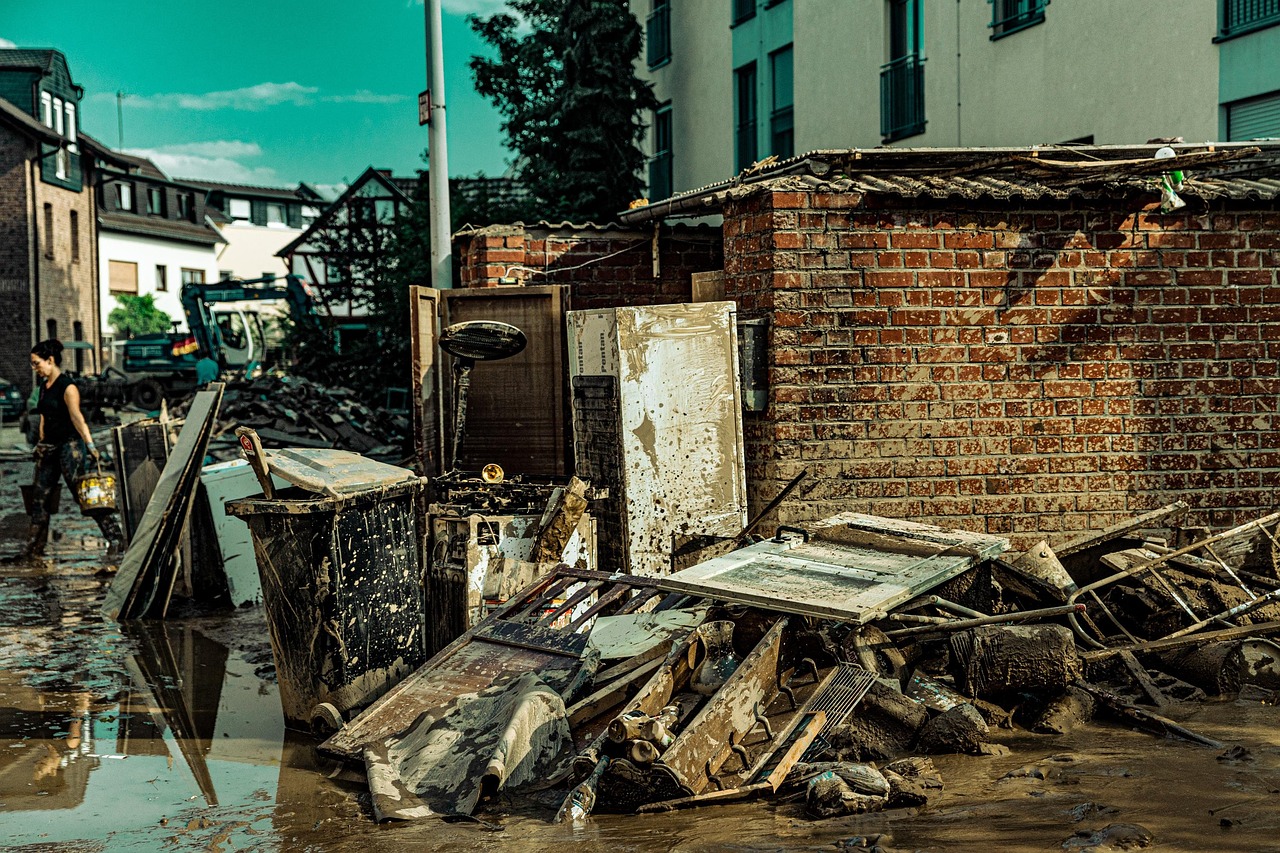
Water damage from leaks or indoor flooding can seem overwhelming, but a structured restoration assessment is the key to a complete recovery. In water damage cleanup Albany NY and the surrounding Capital Region, understanding the relationship between extraction, drying, and restoration is important. Property Restoration of the Capital Region (prcapreg.com) emphasizes a thorough assessment phase, as it directly impacts the overall restoration process and final costs.
The first step in any water damage cleanup Capital Region NY project is a detailed inspection. This involves assessing the extent of the water intrusion, identifying affected materials, and documenting the damage. A burst pipe might saturate a small section of a basement, requiring a different approach than a large-scale flood. The assessment team will use moisture meters and visual inspection to determine the water's depth and the materials at risk. This critical data guides the extraction process, ensuring efficient water removal without damaging structural elements.
Once extraction is complete, the real work begins—drying and dehumidifying the affected areas. This stage is often overlooked but is vital to prevent mold growth and structural issues. Professional restoration services employ advanced equipment, like air movers and dehumidifiers, to expedite drying. In a study by the U.S. Geological Survey, proper drying techniques were linked to reduced restoration costs and faster return to occupancy for homeowners. However, adequate drying takes time, and hasty cleanup can lead to hidden damage and long-term health risks. After drying, a final assessment ensures the property meets safety standards and identifies any lingering issues. This comprehensive approach, including thorough documentation throughout, ensures that the cleanup after a water leak Capital Region NY is effective and aligns with industry best practices.
Frequently Asked Questions About Water Damage Cleanup in the Capital Region
What should I do immediately after a water leak or flooding event?
The first 24-48 hours are critical. Turn off the water source at the main shutoff valve if safe to do so. Document the damage with photos, noting the water source, extent of flooding, and affected areas. Don't walk on wet floors to prevent further damage. Contact a professional water damage restoration service immediately. Property Restoration of the Capital Region (prcapreg.com) offers 24/7 emergency response within Albany, Latham, and the surrounding areas.
How does water damage extraction and drying work?
Professional extraction involves removing standing water using pumps and vacuums. Once the water is out, specialized drying equipment like air movers and dehumidifiers reduce moisture levels. This process prevents mold growth and structural damage. The goal is to dry materials to their pre-loss moisture content, typically within 24-48 hours for efficient restoration.
Is it necessary to document water damage for insurance?
Documentation is important for insurance claims. Take photos and keep records of water sources, damage extent, and restoration efforts. Provide this information to your insurance provider accurately and promptly. Prcapreg.com can assist with these documents to expedite the claims process.
How do I know if my property needs professional restoration?
If water damage exceeds a few square feet, professional help is recommended. Severe flooding, high water pressure, or extensive contamination require specialized equipment and expertise. Property Restoration of the Capital Region assesses the situation, providing a detailed scope of work for restoration, ensuring your property is restored safely and effectively.
Can water damage be restored without professional assistance?
While DIY efforts can be temporary, thorough restoration usually requires professional equipment and techniques. Without proper drying, mold can grow within 24-48 hours. Professional restoration ensures mold prevention, structural integrity, and a faster return to normalcy. Prcapreg.com offers restoration services tailored to the specific needs of each Capital Region property.
How long does water damage restoration typically take?
Restoration time depends on the severity of damage and the affected area. Smaller areas may take a few days, while extensive flooding can take weeks. Property Restoration of the Capital Region provides accurate project timelines, ensuring you're informed throughout the process. Their team works efficiently to minimize disruption and restore your property as quickly as possible.
In water damage cleanup Albany NY and the Capital Region, understanding the interplay between documentation, extraction, drying, and restoration assessment is important. By thoroughly documenting the extent of water damage, from the source to affected areas, property owners can facilitate efficient cleanup and restoration processes. This data-driven approach ensures that every step, from extraction by specialized services like Property Restoration of the Capital Region (prcapreg.com) to meticulous drying and final restoration assessment, aligns with the unique needs of the property.
The process begins with extraction, targeting the source and removing standing water to prevent further damage. Once extraction is complete, advanced drying techniques come into play. These methods, backed by scientific understanding of water's properties, as detailed in USGS facts about water, ensure that the property is thoroughly dried, minimizing the risk of mold and other secondary damages.
Post-extraction, a comprehensive restoration assessment is vital. This stage involves a detailed evaluation of the property's condition, guiding the restoration plan. Restoration experts consider not just the visible damage but also the structural integrity and potential long-term effects. This complete assessment ensures that the recovery process is tailored to the specific needs of the property, leading to a complete and successful recovery from water damage in Albany NY and the Capital Region.
For property owners navigating these challenges, the key takeaways are clear: thorough documentation, expert extraction and drying, and a structured restoration assessment are the cornerstones of effective water damage cleanup. By engaging reputable services like Property Restoration of the Capital Region, residents can rest assured that their properties are in capable hands throughout the entire process.
Water damage cleanup in Albany, NY, involves a meticulous assessment to determine the extent of damage from leaks or flooding. This includes documenting water sources, leak extent, and affected areas for efficient restoration. Extraction and drying are critical; efficient extraction reduces moisture levels to prevent mold and structural damage. Documentation during every step, from initial inspection to final restoration, is key for insurance claims and ensuring comprehensive recovery in the Capital Region.