Water damage cleanup is a critical service in the Capital Region of New York, where swift action can mean the difference between minor repairs and major restoration. Leaks and indoor flooding can cause significant property damage, disrupting homes and businesses. The scope of water damage cleanup goes beyond initial extraction; it involves careful drying and a thorough restoration assessment to ensure the safety and value of affected properties.
In the Capital Region, property owners often turn to local restoration companies like Property Restoration of the Capital Region (prcapreg.com) for specialized help. These professionals document the damage, employ advanced extraction and drying techniques, and coordinate with insurers to expedite the recovery process. Understanding the interplay between extraction, drying, and assessment is key to effective water damage cleanup, ensuring properties in Albany, Latham, and surrounding areas are restored to their pre-loss condition.
- Assessing Water Damage: Capital Region's First Steps
- Extraction: Removing Standing Water in Albany & Latham
- Drying Out: The Important Post-Extraction Process
- Documentation: Tracking Progress for Insurance Claims
- Restoration Assessment: Back to Normal in the Capital Region
Assessing Water Damage: Capital Region's First Steps

When water damage strikes in the Capital Region of New York, the first step in the recovery process is a thorough assessment. This critical phase involves not only identifying the extent of the water intrusion but also understanding its source. Whether the damage stems from a burst pipe, a leaky roof, or indoor flooding, a professional evaluation is important. Property owners in Albany, Latham, and the surrounding areas can turn to specialized services like those offered by Property Restoration of the Capital Region for guidance and support.
The initial assessment involves several key components. First, experts inspect visible damage, noting water levels and the affected areas. They may also employ advanced tools, such as moisture meters, to pinpoint hidden water sources. A burst pipe behind walls can be hard to detect, but these devices help contractors locate and assess the issue. Once the source is identified, the team can begin to understand the full scope of the damage. According to a 2020 study by the U.S. Geological Survey, water damage is the leading cause of structural damage in residential properties, emphasizing the importance of early detection and intervention.
Documentation matters in this process. Contractors take detailed notes, use high-resolution photography, and sometimes create 3D models to capture the scene. This comprehensive record is essential for insurance claims and future restoration planning. After the assessment, a restoration plan is tailored to the specific needs of the property. This plan includes extraction and drying methods tailored to the type and extent of water damage, as recommended by the World Meteorological Organization. After a small leak, a local restoration company might use a mild drying process and replace affected materials. In contrast, severe indoor flooding may require specialized equipment and extensive reconstruction.
Extraction: Removing Standing Water in Albany & Latham
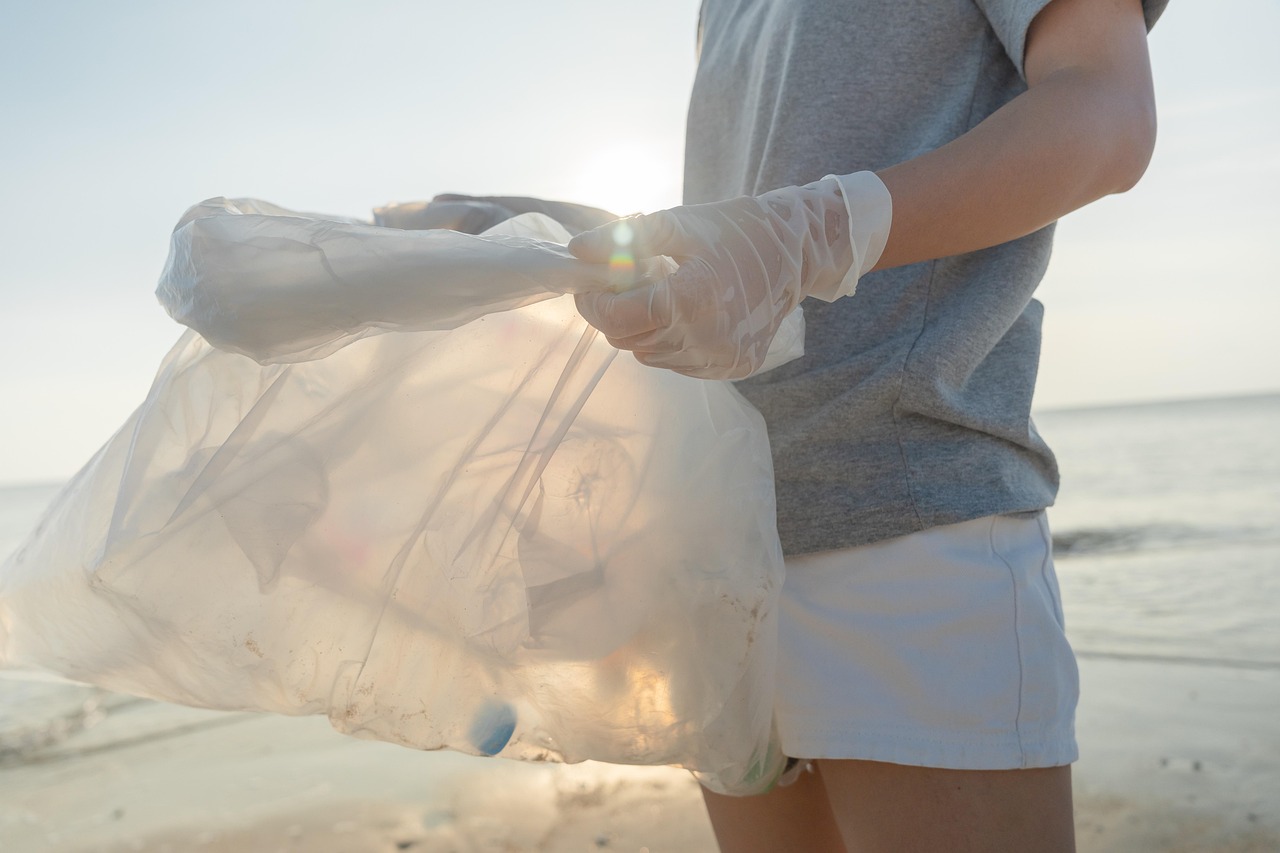
Extraction, the initial step in water damage cleanup Capital Region NY, is a critical phase that involves removing standing water from affected areas. In Albany and Latham, where indoor flooding can occur due to various reasons like pipe bursts, faulty appliances, or heavy rainfall, quick action is essential. The primary goal is to stop the water source and prevent further damage to property and belongings. This process is often done by professionals who use advanced equipment like pumps and vacuums to expedite the extraction.
The complexity of water cleanup assessment Capital Region NY increases with the extent of the damage. Property Restoration of the Capital Region (prcapreg.com) emphasizes the importance of a thorough inspection to determine the level of contamination and the scope of restoration required. After extraction, the next step is to thoroughly dry the affected areas. This involves using dehumidifiers and air movers to reduce humidity levels, which can help mitigate mold growth and structural damage. A study by the World Meteorological Organization highlights that rapid drying can significantly reduce the risk of long-term water damage in residential buildings.
However, extraction is not just about removing water; it's about understanding the source and potential causes to prevent future occurrences. This knowledge guides the restoration process, ensuring that the underlying issues are addressed. In the Capital Region, where diverse weather conditions can lead to both sudden and gradual water damage, a proactive approach is key. Property owners should document the damage, taking photos and videos for insurance claims and as a reference for the restoration process. This documentation, along with professional guidance, helps in the efficient transition from extraction to restoration, ensuring that the property returns to its pre-damaged state.
Drying Out: The Important Post-Extraction Process
Water damage cleanup in the Capital Region is a delicate process, particularly for the important stage of drying out affected areas. After water enters a property due to a leak or indoor flooding, immediate extraction is vital to prevent mold growth and structural damage. However, the drying process is equally, if not more, important to ensure a thorough restoration. Let's examine the science behind this step and its significance in the Capital Region, focusing on homes and businesses in Albany, Latham, and surrounding areas.
The first step after extraction is to assess the level of moisture remaining in the structure. This water cleanup assessment is not merely a visual inspection; it involves using advanced tools like moisture meters to pinpoint problem areas. A recent study by the U.S. Geological Survey (USGS) highlighted the importance of accurate moisture content measurement in water-damaged buildings, demonstrating that professional assessment and documentation are key to effective restoration. In the Capital Region, Property Restoration of the Capital Region (prcapreg.com) emphasizes this point, advising clients that a thorough cleanup assessment is the cornerstone of successful water damage restoration.
Once the assessment is complete, the drying process can begin. This involves a multi-step strategy tailored to the specific type and extent of water damage. High-efficiency dehumidifiers are often used to accelerate the drying process, removing moisture from the air and preventing it from settling on surfaces. In cold climates like the Capital Region, this process must account for frozen pipes and other winter-related challenges. A local contractor in Albany successfully handled a recent water leak by not only extracting excess water but also implementing a comprehensive drying plan that included heating and insulation to prevent further damage during the cold winter months.
Proper drying is essential to avoid the health risks associated with mold growth, which can begin within 24-48 hours of water intrusion. According to the World Meteorological Organization, indoor flooding poses significant risks, particularly in regions with humid climates. In the Capital Region, where weather patterns can vary, a successful water damage cleanup after a leak or flooding incident requires a deep understanding of the local environment and climate. By following best practices and employing advanced drying techniques, restoration experts can ensure that properties are not only restored to their pre-damaged condition but also protected from future moisture-related issues.
Documentation: Tracking Progress for Insurance Claims
When dealing with water damage, proper documentation is important, especially for tracking progress and ensuring a successful insurance claim. In the Capital Region of New York, property owners often turn to specialized services like Property Restoration of the Capital Region (prcapreg.com) for help with these complex processes. The initial step in any water damage cleanup is a thorough assessment, which includes documenting the source, extent, and type of water intrusion. This detailed record-keeping is vital for several reasons.
a water leak from a burst pipe in a residential home may require a different cleanup and restoration approach than indoor flooding from a severe storm. The former might involve primarily structural drying, while the latter could necessitate contents cleaning and deodorization. Each phase of the cleanup process, from extraction to final restoration, needs to be meticulously recorded and dated. This documentation is essential for insurance companies to verify the necessity and extent of the work, ensuring a faster claim approval process.
The service provider will often take pictures or videos of the affected areas, detailing the water levels, damage to personal property, and structural integrity. These visual aids, along with written reports, provide concrete evidence for the insurance assessment. It's important to keep these records organized and readily accessible, as some companies may request them for audit purposes. Property owners should also receive a detailed breakdown of the cleanup and restoration process, including the estimated timeframes and costs, to ensure a clear understanding of the work completed and the progress toward a full recovery.
Restoration Assessment: Back to Normal in the Capital Region
Water damage cleanup in the Capital Region isn't just about removing water—it's about understanding the damage, assessing the situation, and planning for restoration. After a leak or indoor flooding, property owners in Albany, Latham, and beyond often turn to professional services like those offered by Property Restoration of the Capital Region (prcapreg.com). These experts play an important role in the early stages, conducting thorough water cleanup assessments to determine the extent of the damage and guide restoration efforts.
A water cleanup assessment goes beyond simply looking at visible water levels. It involves inspecting for signs of mold growth, assessing structural integrity, and evaluating the type and extent of contamination. Water from a burst pipe might be clean, but water from a flooded basement often carries debris, bacteria, and even hazardous chemicals. Property Restoration professionals use advanced tools and techniques to gauge moisture levels, ensuring every corner and crevice is thoroughly dried. This meticulous process is essential to prevent long-term damage and the costly repairs that follow if water sits untreated.
Once the assessment is complete, the restoration plan can begin. Extraction, drying, and restoration assessment are interlinked stages. Extraction involves removing standing water as quickly as possible to minimize damage. Drying methods, such as dehumidification, target the remaining moisture. Throughout this process, restoration experts monitor progress, ensuring every area meets industry-standard dryness criteria. Property Restoration of the Capital Region emphasizes that documentation is key; keeping detailed records of water levels, drying times, and restoration techniques ensures a thorough and transparent process for their clients. This meticulous approach, backed by industry best practices, is vital to restore homes and businesses to their pre-damage condition in the Capital Region.
Frequently Asked Questions About Water Damage Cleanup in Albany, Latham, and New York's Capital Region
What happens immediately after a water damage incident?
Within minutes, Property Restoration of the Capital Region (prcapreg.com) sends a team to assess the situation, document the damage, and stop the water source. We prioritize quick action to minimize mold growth and structural damage. Our experts use advanced moisture meters and camera technology to inspect hidden areas, providing a comprehensive understanding of the extent of the water damage in Albany, Latham, and the broader Capital Region.
How do I know if I need professional water damage cleanup?
Water damage is not always visible. Musty odors, mold growth, or unusual humidity levels are often the first signs. If the water originated from a sewer backup, flood, or burst pipe, professional help is important. Prcapreg.com's team includes certified restoration specialists who can detect even hidden moisture and recommend appropriate cleanup and restoration methods.
What is the process for extracting water from my home or business?
Our extraction process involves using powerful pumps and vacuums to remove standing water as quickly as possible. We employ specialized equipment to target hard-to-reach areas. Once the water is extracted, we use advanced drying techniques, including air movers and dehumidifiers, to reduce moisture levels and prevent mold growth. Every step is documented for your insurance record.
How do you determine the need for restoration after water damage?
We conduct a thorough inspection and use moisture testing to determine the extent of damage. Our trained technicians assess structural integrity, check for mold, and identify affected materials. Based on these findings, we develop a restoration plan tailored to your property's unique needs.
What documentation do I need for insurance claims?
Prcapreg.com provides comprehensive documentation for insurance claims, including a detailed scope of work, before-and-after photos, and moisture readings. We work closely with insurance companies to expedite the claims process and ensure you receive the necessary coverage for repairs.
How long does the entire water damage cleanup process take?
The timeline varies depending on the severity of the damage. Minor leaks may resolve in a few days, while extensive flooding can take several weeks. Our team provides regular updates and keeps you informed throughout the process. We prioritize efficiency without compromising thoroughness to restore your property as quickly as possible.
Water damage cleanup in the Capital Region of New York requires a systematic approach, from initial assessment to final restoration. Understanding the critical roles of extraction, drying, and documentation ensures that Albany and Latham homeowners receive the best possible care. By quickly removing standing water, using advanced drying techniques, and meticulously documenting each step, Capital Region service providers like Property Restoration of the Capital Region (prcapreg.com) can facilitate a swift return to normalcy.
The process begins with assessing the extent of water damage, an important first step that guides subsequent actions. Once the damage is identified, extraction becomes the priority, aiming to eliminate water sources to prevent further harm. After extraction, the drying process takes center stage, often involving specialized equipment to ensure a thorough and efficient recovery.
Documentation throughout is vital, serving as a comprehensive record for insurance claims and restoration progress. This meticulous approach not only simplifies the claims process but also ensures that every aspect of the cleanup is accounted for. Finally, a thorough restoration assessment determines the extent of repairs needed, ensuring that the property returns to its pre-damage condition.
effective water damage cleanup in the Capital Region NY involves a coordinated effort, leveraging expertise, advanced technology, and thorough documentation. By following these principles, homeowners can trust that their properties will be restored to their full potential, guided by the expertise of local, trusted service providers.
Water damage cleanup in the Capital Region of New York involves a multi-step process, from initial assessment to restoration. Professionals inspect and document water sources, extent, and type, using tools like moisture meters. Extraction, drying, and restoration planning are tailored to each case, with advanced equipment and methods. Detailed documentation is important for insurance claims and effective restoration. The Capital Region's diverse weather conditions necessitate a proactive, science-backed approach to water damage cleanup and prevention.