







Rapid (24-48 hour) water damage assessment is key to minimizing mold growth. Natural cleanup methods, including vinegar, baking soda, and steam cleaning, are eco-friendly and cost-effective. Professional restorers assess damage, provide guidance, and offer natural techniques. Costs range from $5,000-$20,000+ based on property size and damage. Proactive measures, regular checks, and early detection systems protect properties in flood-prone areas. Combining natural methods with professional assistance ensures efficient, sustainable water damage recovery.
Water damage is a common yet distressing occurrence for many homeowners, often leading to significant financial burdens and repair headaches. Accurately estimating restoration costs is critical for effective damage management, ensuring adequate insurance claims and swift recovery. However, navigating the complexities of water damage cleanup can be challenging, especially when seeking natural, environmentally friendly solutions that minimize further harm. This article provides an in-depth guide to local water damage restoration estimates, offering expert insights on assessing, budgeting, and restoring your property while prioritizing sustainable practices, including effective yet natural water damage cleanup methods.
- Assessing Water Damage: Initial Steps for Cleanup
- Natural Cleaning Methods for Efficient Restoration
- Estimating Costs: Budgeting for Repairs and Recovery
- Preventive Measures: Safeguarding Your Property Post-Damage
Assessing Water Damage: Initial Steps for Cleanup
Assessing water damage is a critical initial step for effective cleanup and restoration. The first 24 to 48 hours after a water-related incident are crucial as they can significantly impact the extent of damage and potential mold growth. Homeowners or business owners should start by evaluating the source and type of water damage, which will guide the cleanup process. For instance, floodwater from storms or broken pipes can carry harmful contaminants, requiring immediate action to minimize health risks.
The initial assessment should also involve a thorough inspection of the affected areas. Check for visible signs like water stains, swelling walls, or warped floors. In Austin, where flooding is not uncommon, property owners must be vigilant about potential hidden damage. For example, elevated moisture levels might indicate water infiltration behind walls or under flooring, necessitating professional tools and expertise to detect. Property Restoration of the Capital Region emphasizes the importance of a comprehensive initial assessment for effective water damage cleanup naturally.
Once the scope is identified, the local disaster recovery team can provide guidance tailored to the situation. Austin flood cleanup specialists often employ advanced moisture meters and thermal imaging cameras to pinpoint problem areas accurately. This step is vital in preventing further deterioration and ensuring that any restoration work adheres to industry standards. Moreover, experts in mold prevention services should be engaged early on, as they can offer valuable insights into mitigating the risk of mold growth, a common concern after water damage incidents.
Natural Cleaning Methods for Efficient Restoration

Water damage cleanup naturally is a growing trend among San Antonio residents looking to recover from basement flooding or heavy rain damage. In the wake of increasingly frequent storms, adopting eco-friendly restoration methods isn’t just a choice; it’s a necessity. The key lies in utilizing natural cleaning agents and techniques that not only effectively remove water and moisture but also minimize environmental impact. For instance, white vinegar is a powerful disinfectant and deodorizer, capable of killing mold spores and leaving surfaces sanitised without harsh chemicals.
Basement flooding remedies often involve a multi-step process starting with physical removal of standing water using buckets or specialized equipment. Afterward, absorbent materials like cloth or paper towels can be used to dry out low-lying areas. Once the visible moisture is gone, natural deodorisers like baking soda or essential oils can help eliminate any lingering odours. These methods are particularly beneficial for San Antonio residents looking for heavy rain damage repair solutions that align with their values and environmental consciousness.
For more severe cases, employing steam cleaning can help eliminate mold growth and sanitize surfaces. This method uses hot water to create steam, which penetrates porous materials and kills bacteria, viruses, and fungi. It’s a safe and effective way to tackle heavy water damage, ideal for San Antonio properties in need of thorough restoration. Property Restoration of the Capital Region, known for its expertise in local water damage restoration, advocates these natural cleaning methods as part of their holistic approach to ensuring not just structural repair but also the health and safety of homeowners.
By embracing natural cleaning methods, San Antonio residents can achieve efficient restoration while promoting a healthier environment. This approach not only reduces exposure to harsh chemicals but also contributes to the overall sustainability of the region’s infrastructure. Data suggests that proactive water damage cleanup naturally strategies can lead to reduced costs and faster recovery times for affected properties.
Estimating Costs: Budgeting for Repairs and Recovery

Estimating water damage cleanup costs is a crucial step in the recovery process for homeowners and business owners alike. In cities like Houston, San Antonio, and Dallas, where humidity levels can contribute to persistent dampness solutions in homes and businesses, prompt action is essential to mitigate further damage. According to recent studies, swift response within 48 hours of water intrusion can significantly reduce the scope of restoration needed, thus saving on overall costs.
The first step in budgeting for repairs involves assessing the extent of the water damage. This includes evaluating the source and type of water, the affected areas, and the level of contamination. For instance, floodwaters from a nearby river might require specialized cleaning due to potential hazardous materials, while a burst pipe could pose less risk but still necessitate careful drying out. Property Restoration of the Capital Region recommends engaging professional restorers who can provide accurate assessments and natural, effective water damage cleanup methods.
Cost estimates can vary widely based on several factors: square footage, extent of damage, and specific restoration techniques employed. On average, water damage cleanup in Houston homes can range from $5,000 to $15,000, while commercial properties in San Antonio might see costs escalate to $20,000 or more for extensive drying out and rebuilding in Dallas businesses. To ensure a fair price, property owners should obtain multiple estimates from reputable companies, compare services and pricing, and understand the scope of work involved. By taking these proactive steps, homeowners and business owners can facilitate an efficient recovery process, restore their properties to pre-loss conditions, and maintain peace of mind.
Preventive Measures: Safeguarding Your Property Post-Damage
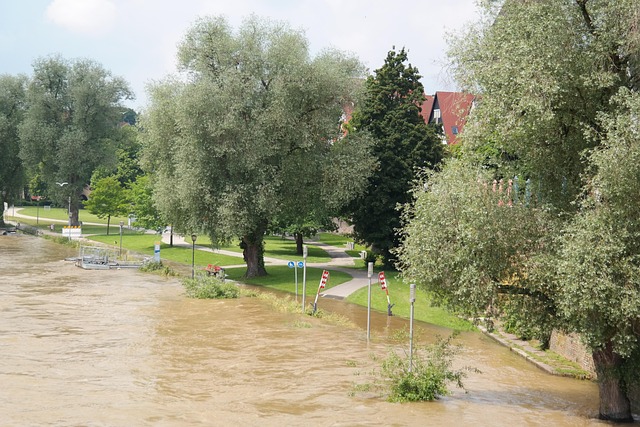
Post-water damage, proactive measures are essential to safeguard your property and minimize long-term issues. This is particularly crucial in regions prone to floods, like Austin and San Antonio, where swift action can prevent substantial losses. A key strategy involves adopting natural water damage cleanup methods that not only reduce environmental impact but also foster a healthier recovery process. For instance, using eco-friendly cleaning solutions and moisture control techniques can inhibit mold growth, a common aftereffect of water intrusion.
Many homeowners often turn to local water cleanup services for expertise in Austin flood cleanup or San Antonio water damage restoration. Professional teams like Property Restoration of the Capital Region are well-equipped with advanced equipment and training to handle various scales of damage. They employ specialized techniques such as dehumidification, which reduces moisture levels to inhibit mold and mildew, ensuring a safer and healthier living environment. Regular maintenance checks post-restoration are vital; addressing potential issues early can prevent future water damage and the associated costs.
Proactive measures include installing water detection systems and ensuring proper drainage around your property. In areas with frequent rainfall or flooding, these systems can provide early warning signs of leaks or moisture intrusion. Additionally, regular inspection of plumbing and roof systems is essential to identify vulnerabilities before they lead to extensive water damage. By combining natural cleanup methods with professional assistance and proactive maintenance, homeowners can effectively safeguard their properties, ensuring a faster and more sustainable recovery process.
By following a structured approach to water damage cleanup naturally, from initial assessment to preventive measures, property owners can effectively navigate the process with minimal disruption. The article has highlighted the importance of swift action in mitigating water damage, utilizing natural cleaning methods for efficient restoration, and providing realistic estimates for budgeting purposes. Understanding these key insights empowers individuals to not only recover from water damage but also protect their properties from future incidents. With practical knowledge gained, readers are now equipped to handle water damage cleanup with confidence, ensuring a smoother and more sustainable recovery process.