







Early recognition of water emergency signs minimizes catastrophic flooding damage. Prompt action prevents minor issues from escalating into costly repairs and secondary damage like mold growth. Regular maintenance checks, proactive measures, and engaging local professionals specializing in water damage cleanup naturally are vital for efficient restoration and protection against future intrusions. Rapid assessment, containment, advanced tools, natural cleanup techniques, and strategic equipment deployment ensure effective water damage cleanup naturally while minimizing environmental impact. Post-cleanup techniques focusing on thorough ventilation, moisture monitoring, disinfection, and material repair/replacement prevent secondary damage.
Water emergencies, from floods to leaks, pose significant risks and demand swift action to mitigate damage. Traditional cleanup methods often rely on harsh chemicals, raising concerns about health and environmental impacts. In response, natural water damage cleanup has emerged as a sustainable alternative. This article delves into the intricacies of effective, eco-friendly water damage restoration, emphasizing the importance of using natural remedies where possible for optimal results and minimal ecological disruption. We’ll explore proven techniques, their benefits, and how experts approach this critical task to restore environments and safeguard health naturally.
- Recognize Water Emergency Signs Early
- Act Quickly: Evacuate and Turn Off Supplies
- Assess Damages: Natural Water Cleanup Techniques
- Safe Water Removal: Equipment and Safety Precautions
- Restoring Your Space: Post-Cleanup Tips for Prevention
Recognize Water Emergency Signs Early

Recognizing water emergency signs early is paramount to minimizing damage and ensuring swift action during catastrophic flooding events. The initial 24-48 hours are critical for preventing long-term issues like mold growth, which can necessitate extensive water damage cleanup naturally. Signs of a water emergency may include sudden leaks, unusual odors, or visible water intrusion, such as bubbling paint or warped floors. Promptly addressing these indicators can prevent what seems like minor issues from escalating into costly repairs.
For instance, data shows that over 60% of homes affected by catastrophic flooding require professional catastrophic flooding assistance due to secondary damage like mold growth and structural instability. To avoid this, homeowners should take proactive measures. One effective strategy is to maintain proper drainage systems and address clogs immediately to prevent water from backing up into basements or crawl spaces. Additionally, using natural preventative measures, like applying vinegar solutions to deter mold growth after a flood, can be a cost-effective alternative to chemical treatments.
In the event of extensive water damage, it’s crucial to engage a local emergency cleanup crew with expertise in water damage restoration. Property Restoration of the Capital Region, for example, specializes in providing swift and efficient water emergency responses, ensuring homes are restored safely and effectively. This includes not only removing standing water and drying affected areas but also implementing strategies to prevent mold growth and protect against future water intrusions. Regular maintenance checks and updates on flood prevention techniques can significantly aid in minimizing the impact of flooding events.
Act Quickly: Evacuate and Turn Off Supplies
In any water emergency, acting quickly is paramount to minimizing damage and preventing extensive water damage cleanup. The initial steps involve evacuating affected areas and turning off water supplies to stop the source of infiltration. This rapid response significantly reduces the scope of restoration needed later, making water damage cleanup naturally more manageable and cost-effective for businesses in Dallas.
For commercial properties, a well-rehearsed emergency plan can facilitate a swift evacuation. Employees should be trained to locate and shut off main water valves, especially for high-risk areas like basements or spaces with substantial water exposure. This simple yet crucial step prevents further leakage and water damage. Once evacuated, call a local emergency cleanup crew immediately. Specialized restoration companies, such as those offering Property Restoration of the Capital Region services, are equipped to handle these situations swiftly. They can assess the damage, implement necessary safety measures, and begin drying out Dallas businesses effectively.
According to industry reports, prompt action within the first 24-48 hours can reduce restoration costs by up to 50%. Water damage restoration near me should involve a comprehensive approach that includes removing soaked materials, decontaminating affected areas, and employing advanced drying techniques. Professional crews use specialized equipment like air movers and dehumidifiers to expedite the drying process, ensuring structures are restored safely and efficiently. By enlisting the help of experts, business owners can focus on their operations’ recovery while leaving the intricate water damage cleanup processes to seasoned professionals.
Assess Damages: Natural Water Cleanup Techniques
When faced with water emergencies, rapid assessment of damages is crucial for effective water damage cleanup naturally. The first step involves identifying the source of the leak or flood and containing it to prevent further intrusion. This initial evaluation also includes assessing the extent of water damage, which can range from minor seepage to catastrophic flooding. Local disaster recovery teams are equipped to handle such situations, utilizing advanced tools and techniques for efficient damage assessment. For instance, moisture meters and thermal imaging cameras aid in pinpointing affected areas, enabling professionals to prioritize restoration efforts.
Once the damage is assessed, natural cleanup techniques can be deployed. These methods focus on minimizing environmental impact while restoring properties to their pre-loss condition. One popular approach involves using environmentally friendly cleaning solutions derived from essential oils or plant-based ingredients. Such products effectively remove contaminants without leaving harmful residues, ensuring a healthier recovery process. For example, Property Restoration of the Capital Region employs all-natural cleaners that are both powerful and safe for occupants and the local ecosystem.
Another natural water damage cleanup technique is air drying and ventilation. It involves using fans and dehumidifiers to expedite moisture removal from affected areas. Proper ventilation not only reduces humidity levels but also minimizes the risk of mold growth, a common complication after water emergencies. Timely intervention by a local water damage repair team can significantly mitigate potential health risks associated with prolonged moisture exposure. According to recent studies, rapid restoration and implementation of natural cleanup methods can save up to 30% on overall restoration costs compared to traditional remediation practices.
Safe Water Removal: Equipment and Safety Precautions

Water damage cleanup naturally requires a systematic approach to safe water removal, especially in regions prone to flooding or with high humidity levels like Houston, Austin, and North Texas. The primary goal is to minimize further damage by promptly addressing dampness solutions in homes while prioritizing safety for residents and restoration experts. Property Restoration of the Capital Region, for instance, has been at the forefront of providing efficient water extraction services, ensuring that affected areas are dried effectively within 24-48 hours to prevent mold growth and structural damage.
Effective safe water removal involves specialized equipment tailored to different water damage scenarios. In Austin homes, water removal experts often rely on high-efficiency pumps and vacuums designed to handle various liquid volumes and viscosities. These tools extract not just visible water but also infiltrate into porous materials, addressing hidden moisture sources that could lead to secondary damage. For larger-scale water emergencies in North Texas, professional restoration teams utilize advanced technologies like air movers and dehumidifiers to expedite drying processes, ensuring optimal conditions for a successful recovery.
Safety precautions cannot be overstated during water damage cleanup. Proper personal protective equipment (PPE), including waterproof garments, gloves, and respirators, is essential to safeguard workers from potential health risks associated with contaminated water. Additionally, electrical safety measures must be implemented to prevent hazards posed by damaged appliances or wiring. Property Restoration of the Capital Region emphasizes comprehensive training for their team members in handling hazardous materials and adhering to industry standards, ensuring a safe environment for both residents and restoration professionals during the cleanup process.
Restoring Your Space: Post-Cleanup Tips for Prevention
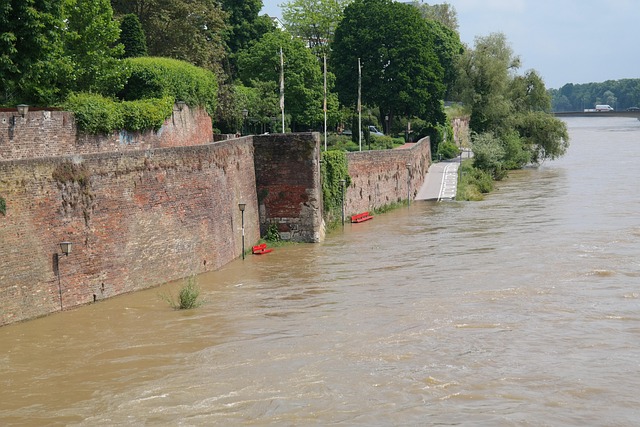
After a water emergency, such as a flood or pipe burst, restoring your space goes beyond initial cleanup. To prevent future damage and promote natural healing, consider these post-cleanup tips for a comprehensive approach to water damage restoration in North Texas homes and businesses. Water extraction techniques play a crucial role; swift action from Austin flood damage experts can minimize mold growth and structural deterioration by promptly removing standing water.
One of the most effective methods for water damage cleanup naturally is through professional water removal services. Property Restoration of the Capital Region emphasizes quick response times, ensuring that specialized equipment like powerful pumps and vacuums are deployed to extract moisture efficiently. This not only prevents the need for costly remodeling but also creates an environment conducive to faster drying and reduced risk of microbial growth.
It’s important to let professionals handle water extraction, as DIY methods may leave behind hidden moisture. In one recent case study, a homeowner attempted temporary fixes leading to a mold infestation six months later. Data from the Insurance Institute for Business & Home Safety (IBHS) supports these findings, stating that incomplete cleanup and restoration can result in secondary damage within 48 hours of initial water intrusion.
To restore your space optimally, follow these post-cleanup steps:
1. Ventilate Thoroughly: Open windows, doors, and use fans to promote air circulation, accelerating drying time and reducing humidity levels.
2. Monitor Progress: Use moisture meters to ensure areas deemed dry are indeed free of moisture, preventing premature reconstruction.
3. Disinfect and Deodorize: After moisture is extracted, address any remaining odors or potential mold growth with natural cleaning solutions like vinegar or essential oils.
4. Repair and Replace: Once completely dry, address structural damage and consider replacing affected materials to prevent future water intrusion.
By promptly recognizing water emergency signs and acting swiftly—evacuating, shutting off supplies, and assessing damages naturally—homeowners can mitigate water damage cleanup efforts. Utilizing effective yet safe water removal techniques and following post-cleanup tips for prevention significantly reduce risks and costs associated with water damage. This article equips readers with essential knowledge to handle such emergencies effectively, ensuring their properties and belongings are protected from the devastating impacts of water damage naturally.